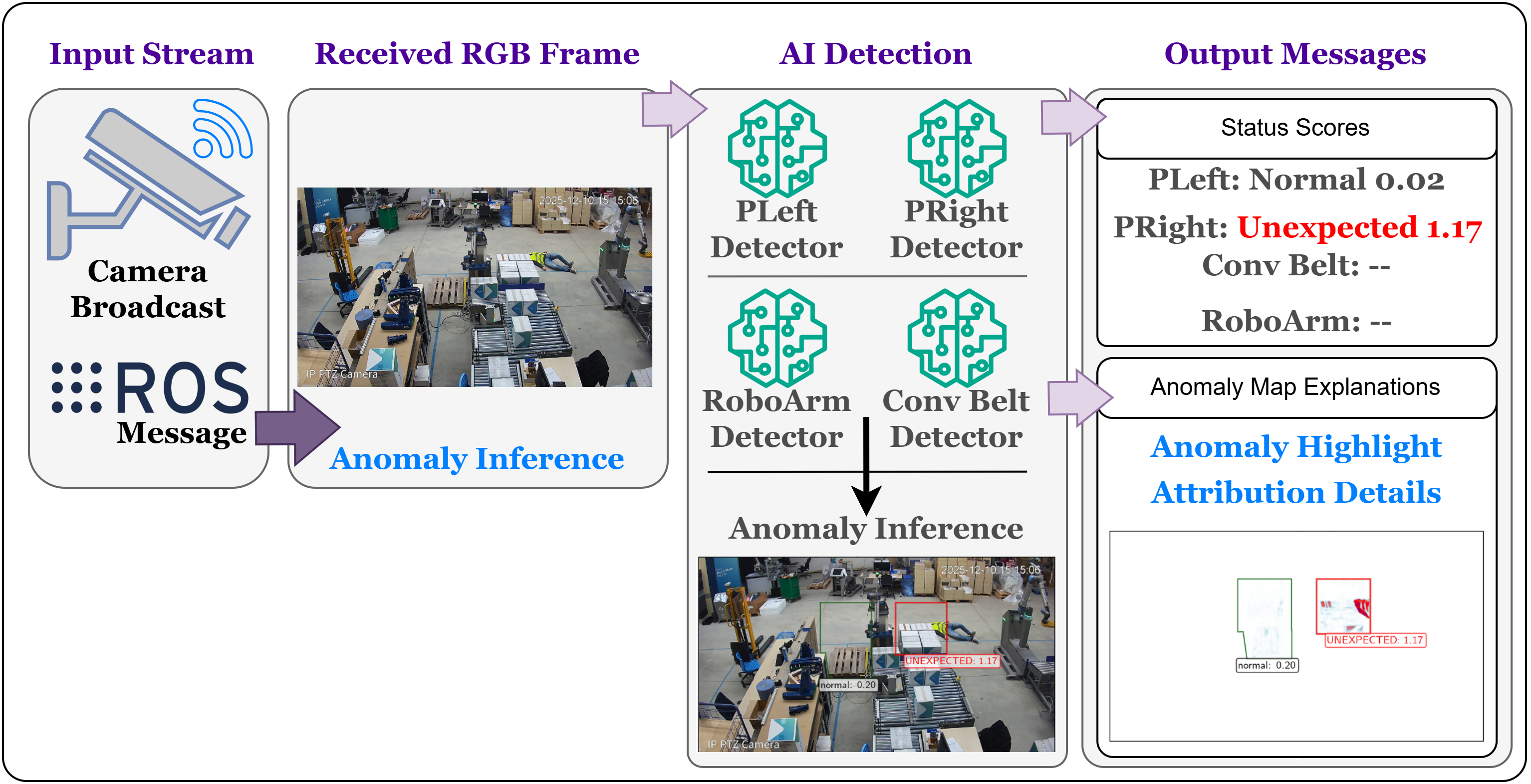
DistriMuSe — Safe Interaction with Robots
Zoned VAE-GAN anomaly detection for interpretable industrial safety monitoring.

Zoned VAE-GAN anomaly detection for interpretable industrial safety monitoring.
Short description of portfolio item number 1
Applied research and freelance projects in medical imaging, computer vision, machine learning, and intelligent decision systems.
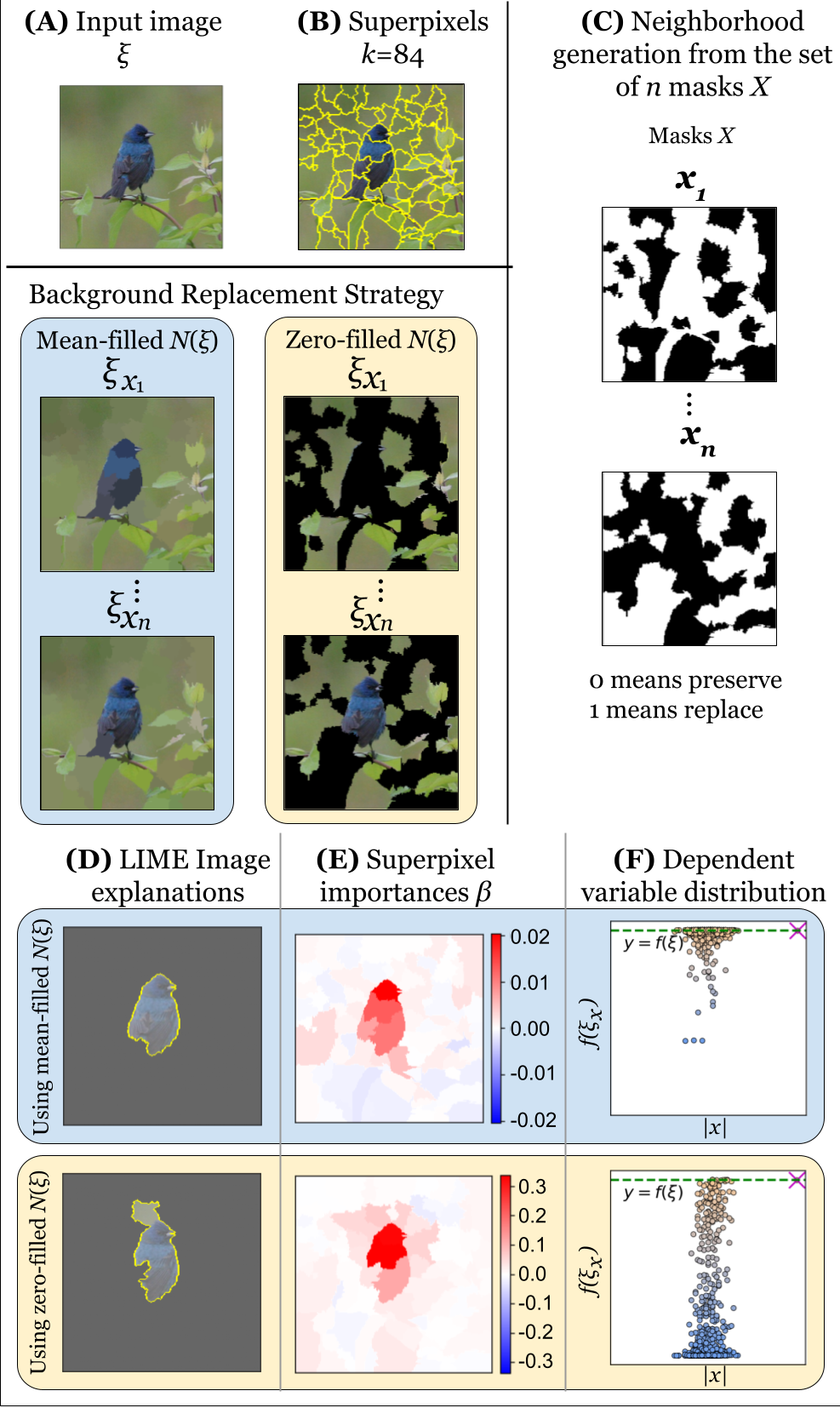
An improved LIME sampling strategy for generating more stable and reliable image explanations.
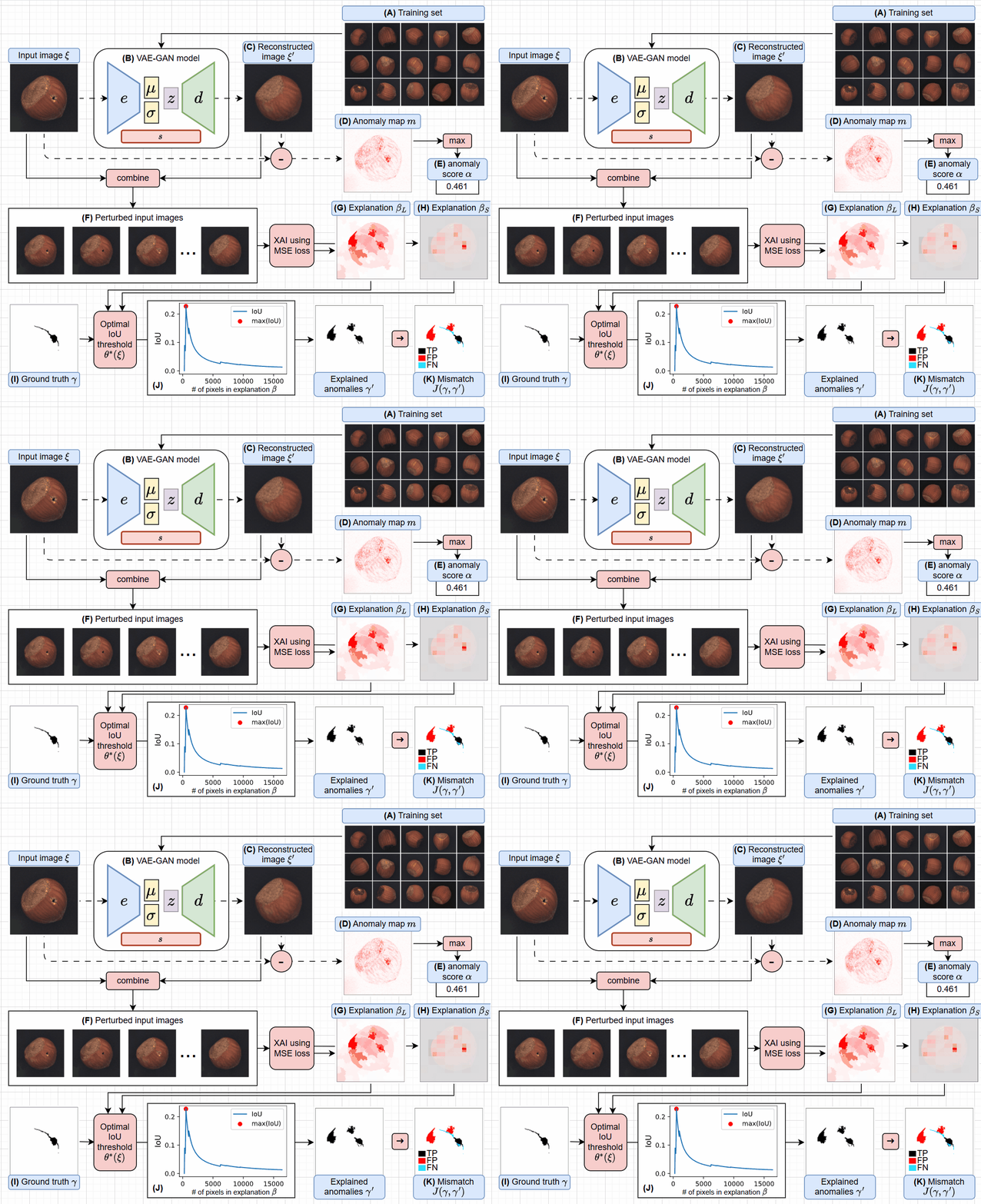
A case study on building trust in anomaly detection systems using VAE-GAN models and explainable AI.

Lightweight AI deployment on edge devices, including Raspberry Pi-based computer vision systems.
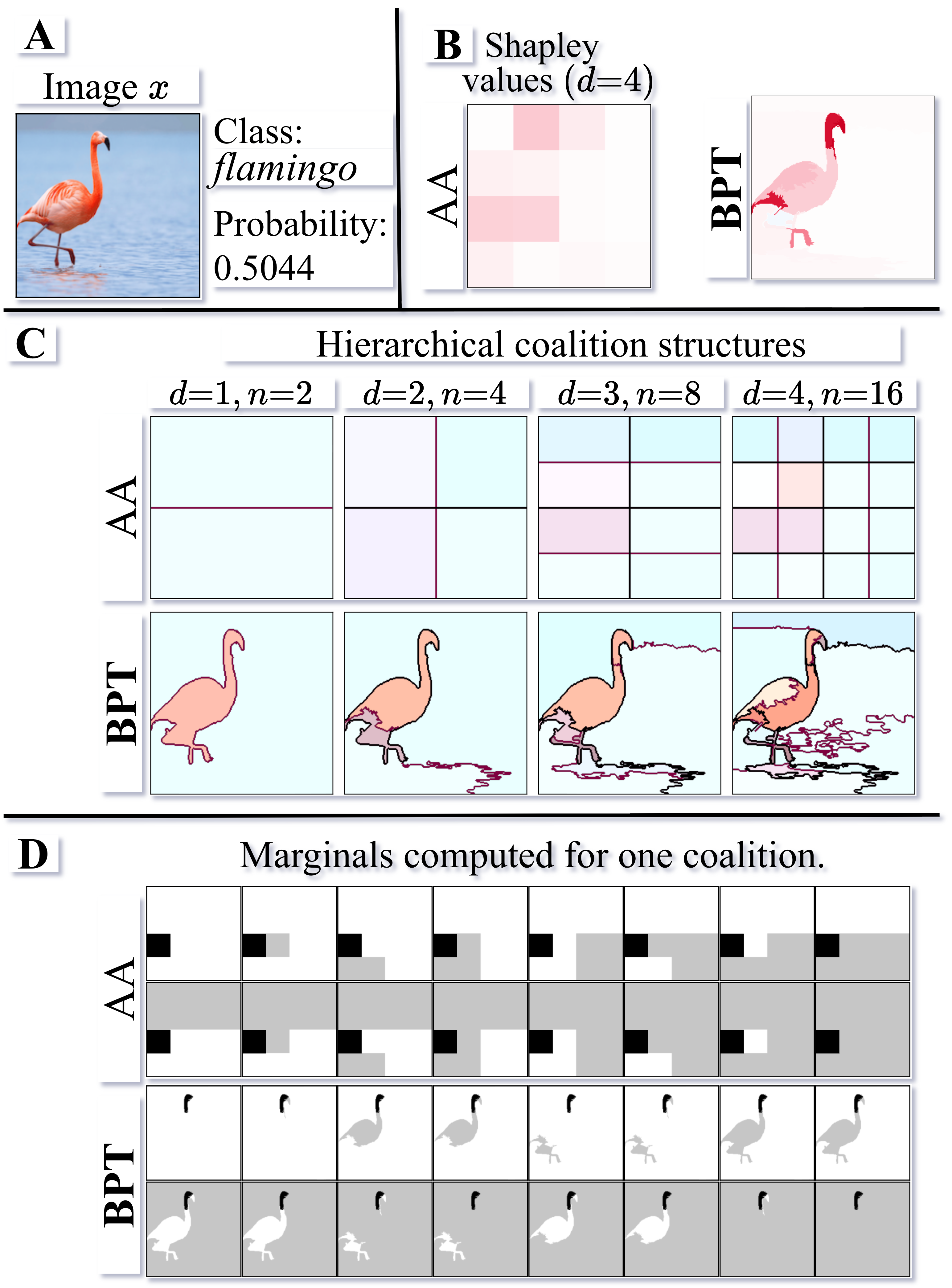
A data-aware XAI method for image feature attribution using Binary Partition Trees and hierarchical Shapley values.

RGB-based anomaly detection application for safety monitoring in collaborative robotics environments using synthetic industrial data.
Lightweight CNN-based network intrusion detection using time-frequency representations and explainable AI.
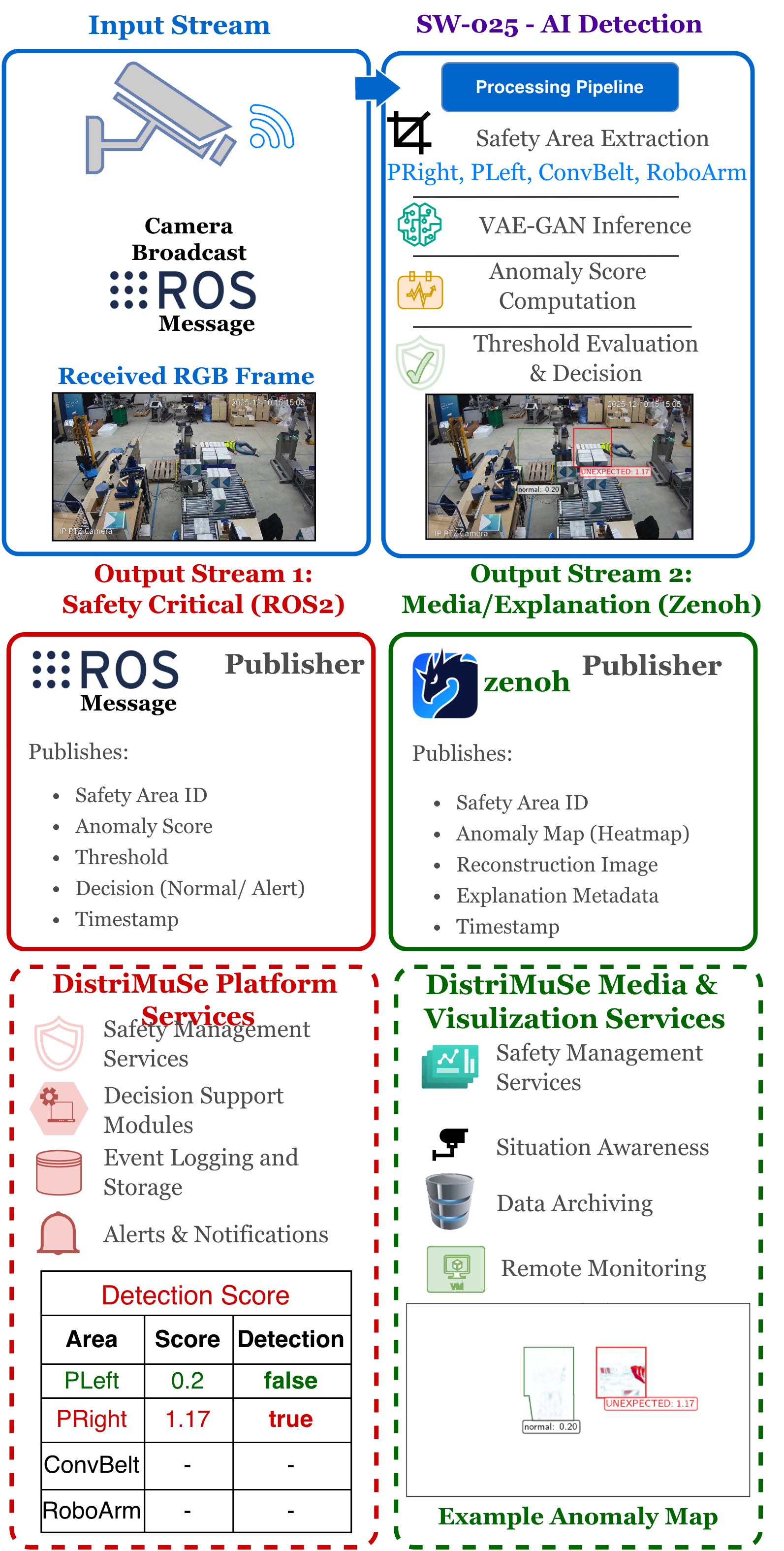
Industrial Safety Detector using deep Generative models based Anomaly Detection on real world
An open-source research project investigating anomaly detection baselines, explainability methods, faithfulness metrics, reproducibility, and trustworthy model evaluation.
A multi-view RGB dataset for unexpected-condition detection and human safety in industrial robotic palletizing workflows, including normal and anomalous operating scenarios.
Developing efficient normal-only visual anomaly detection pipelines for deployment on resource-constrained edge devices and RGB camera systems.
Interpretable hierarchical machine learning for small-sample prediction and analysis of surface and tribological responses in electrical discharge machining.
Research on explainable deep learning for medical image classification and analysis, combining modern CNN architectures with interpretable prediction methods.
Investigating explainability and faithfulness in multimodal visual question answering using vision-language models and gradient-based attribution methods.
Exploratory research on variational quantum models and quantum-enhanced representations for anomaly detection.
Investigating SAM-based hierarchical image segmentation and Shapley attribution for spatially coherent and quantitatively evaluated computer vision explanations.
Research on deep learning and one-class approaches for time-series anomaly detection, including robust training, threshold calibration, and evaluation on benchmark datasets.
A comprehensive study of the evolution of video anomaly detection, from reconstruction and prediction methods to transformers, foundation models, and reasoning-oriented approaches.
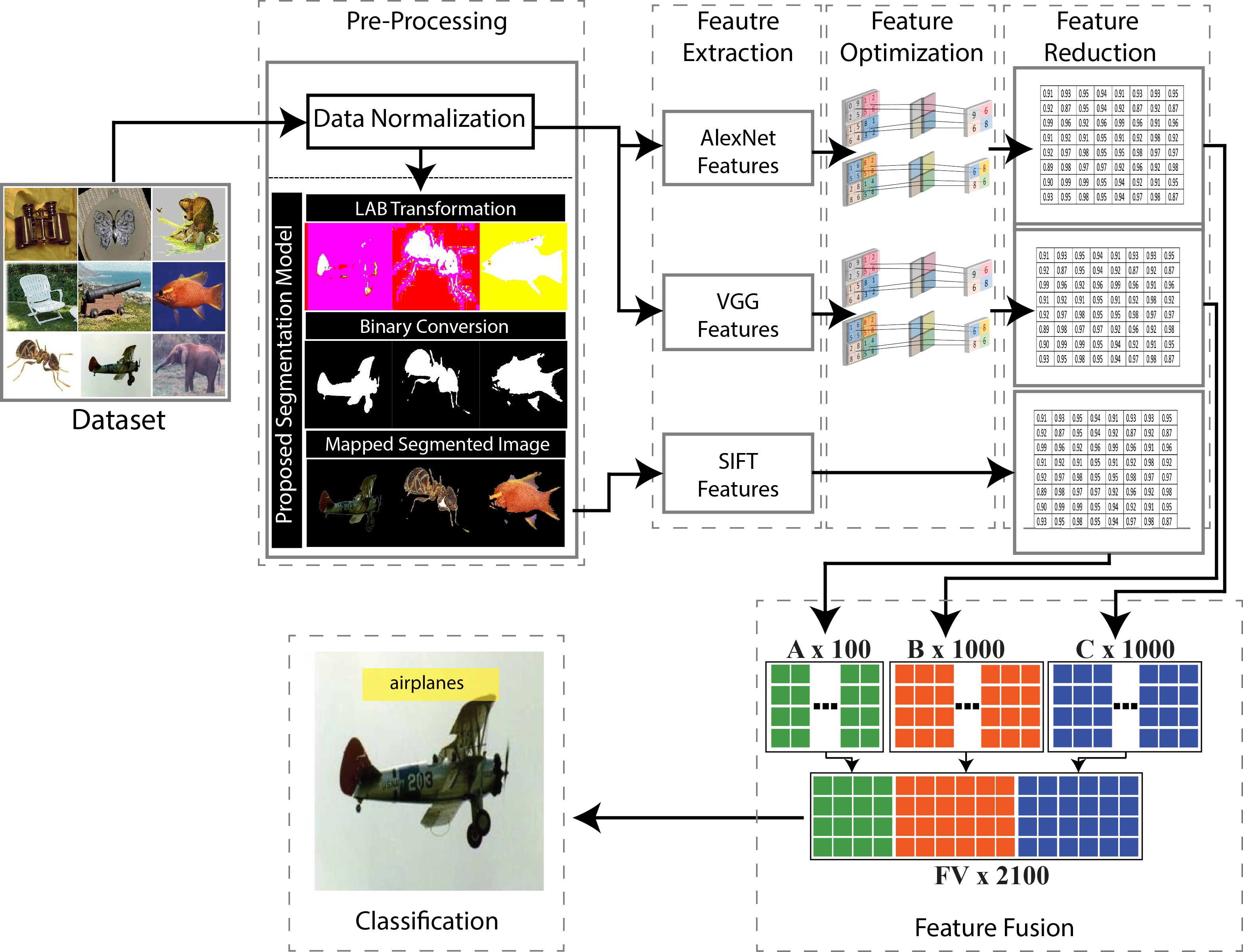
Published in Multimedia Tools and Applications (Springer), 2018
Object detection and classification using hybrid fusion of CNN and SIFT features.
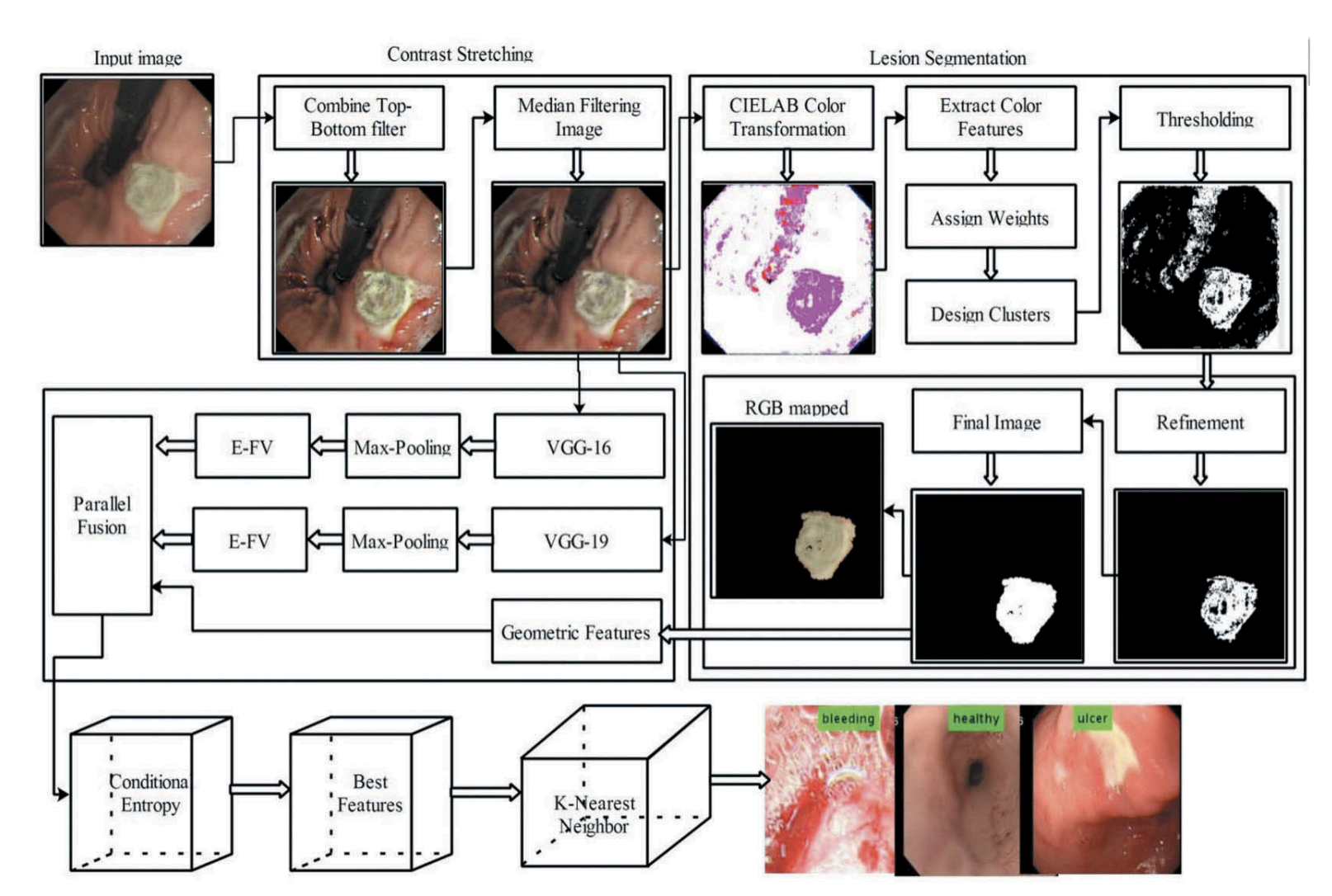
Published in Journal of Experimental & Theoretical Artificial Intelligence (Taylor & Francis), 2019
Gastrointestinal disease detection and classification from WCE images using deep CNN and geometric feature fusion.
Published in COMSATS University Islamabad, Wah Campus, 2019
Master’s thesis on object detection and classification using deep convolutional neural networks, SIFT point features, feature fusion, and entropy-based feature selection.
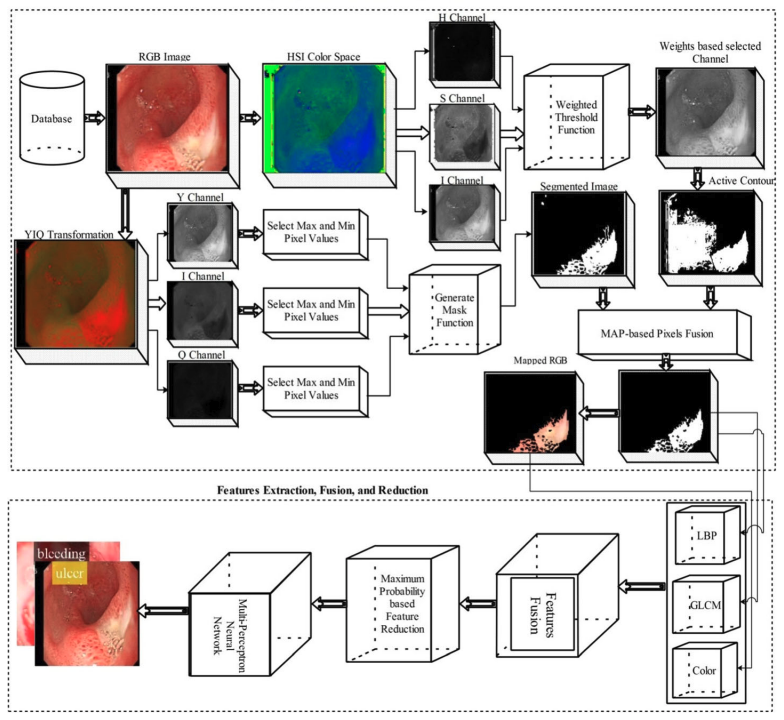
Published in Multimedia Tools and Applications (Springer), 2019
Gastrointestinal disease classification from wireless capsule endoscopy images using saliency-based segmentation and discriminant feature selection.
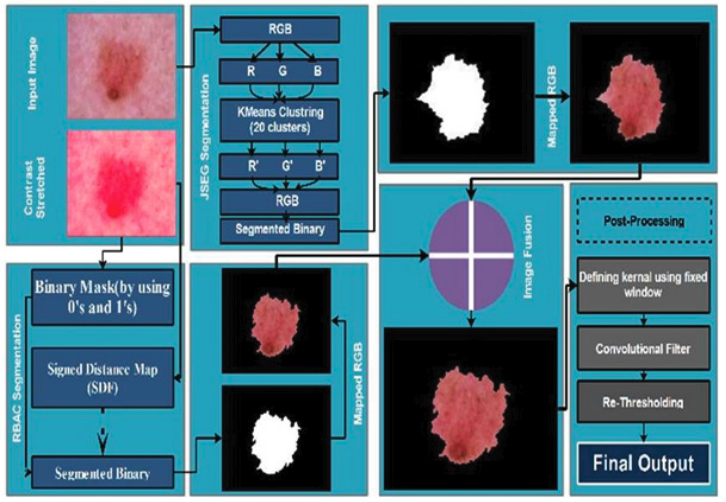
Published in Biomedical Research, 2019
Skin lesion segmentation using region-based active contour and JSEG fusion techniques.
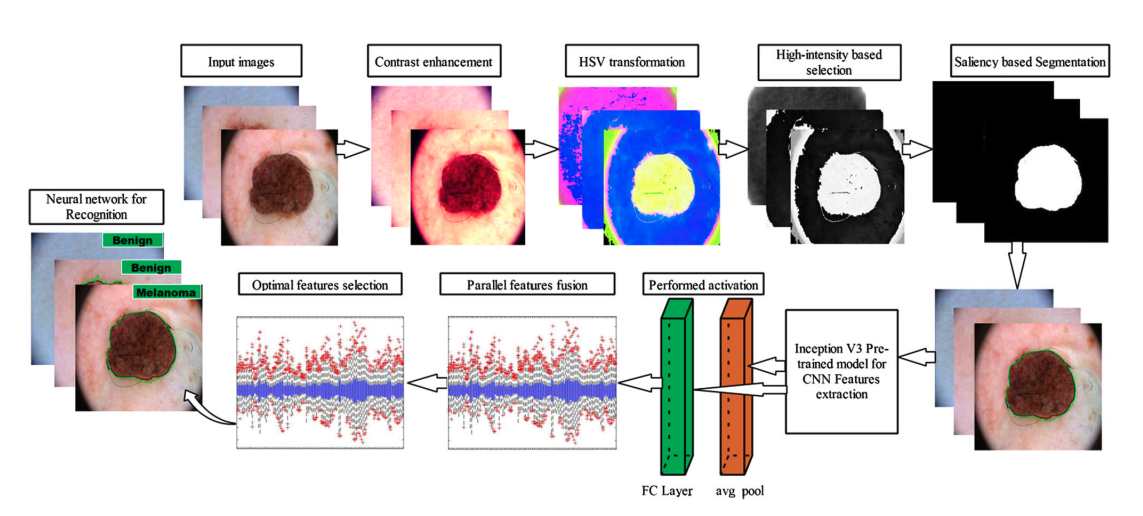
Published in Neural Computing and Applications (Springer), 2019
Skin lesion detection and classification using saliency-based segmentation and optimal deep feature selection.
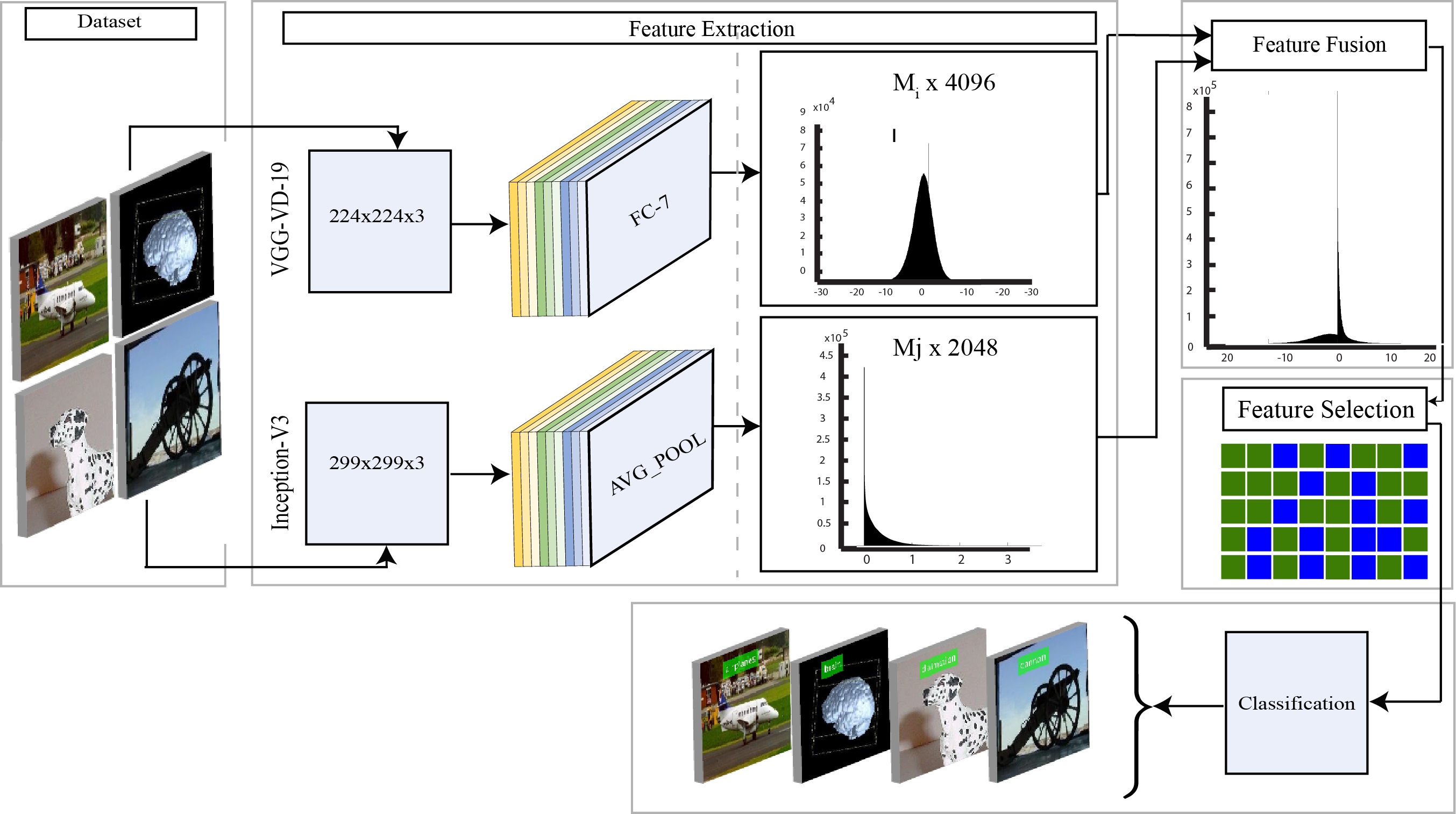
Published in Sustainability (MDPI), 2020
A deep learning framework for object recognition using multi-layer feature fusion and feature selection.
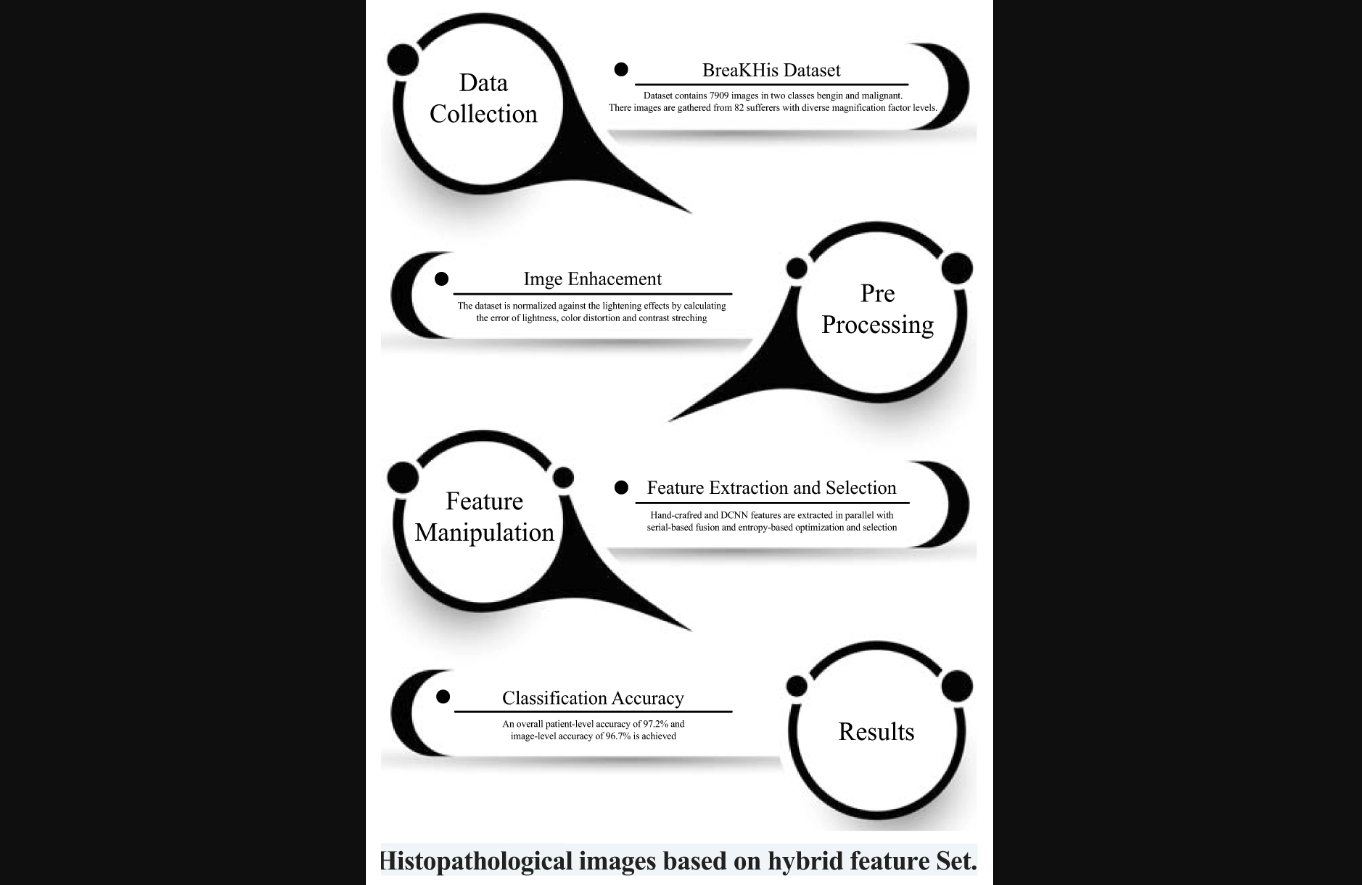
Published in Current Medical Imaging (Bentham Science), 2021
Breast cancer classification using hybrid feature extraction from histopathological images.
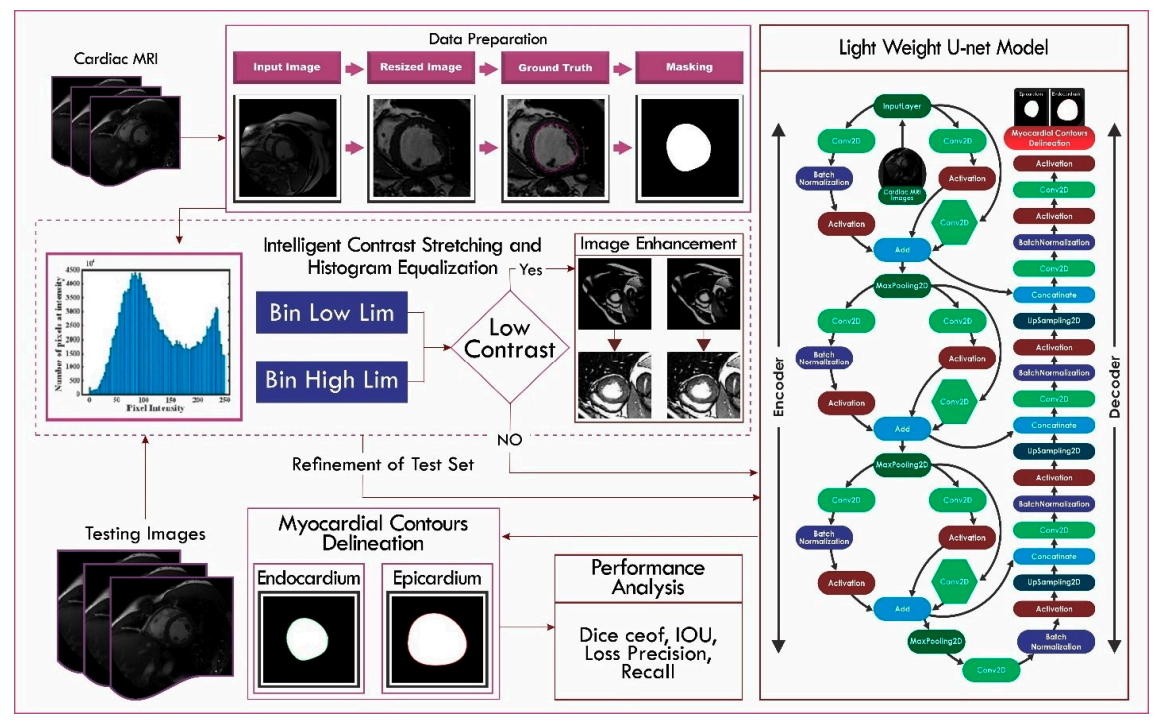
Published in Mathematics (MDPI), 2023
Lightweight U-Net model for left ventricle segmentation from MRI images.
Published in AAAI-24 - 38th AAAI Conference on Artificial Intelligence, 2024
A improved version of LIME to generate meaninful explanations when LIME degenerates meaningless explanations.
Published in xAI 2024 | Explainable Artificial Intelligence, 2024
A Case study to highlight use of VAE-GAN based Gen-AI approach to detect Anomalies in Industrial Inspection systems.
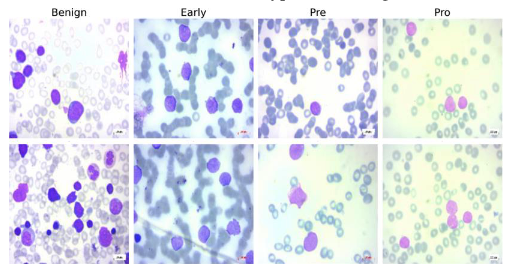
Published in Journal of Computing & Biomedical Informatics, 2025
Deep learning-based classification of Acute Lymphoblastic Leukemia from peripheral blood smear images using EfficientNetB3.
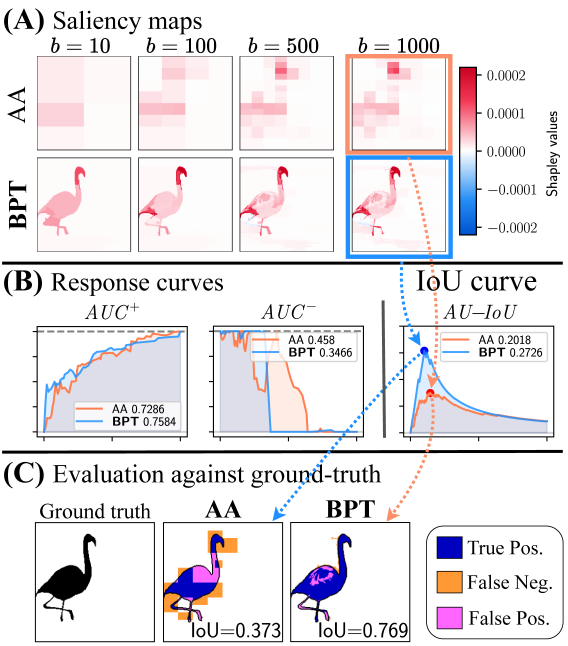
Published in AAAI-26 | 40th Annual AAAI Conference on Artificial Intelligence, 2026
A data-aware XAI method for image feature attribution using Binary Partition Trees and hierarchical Shapley values.
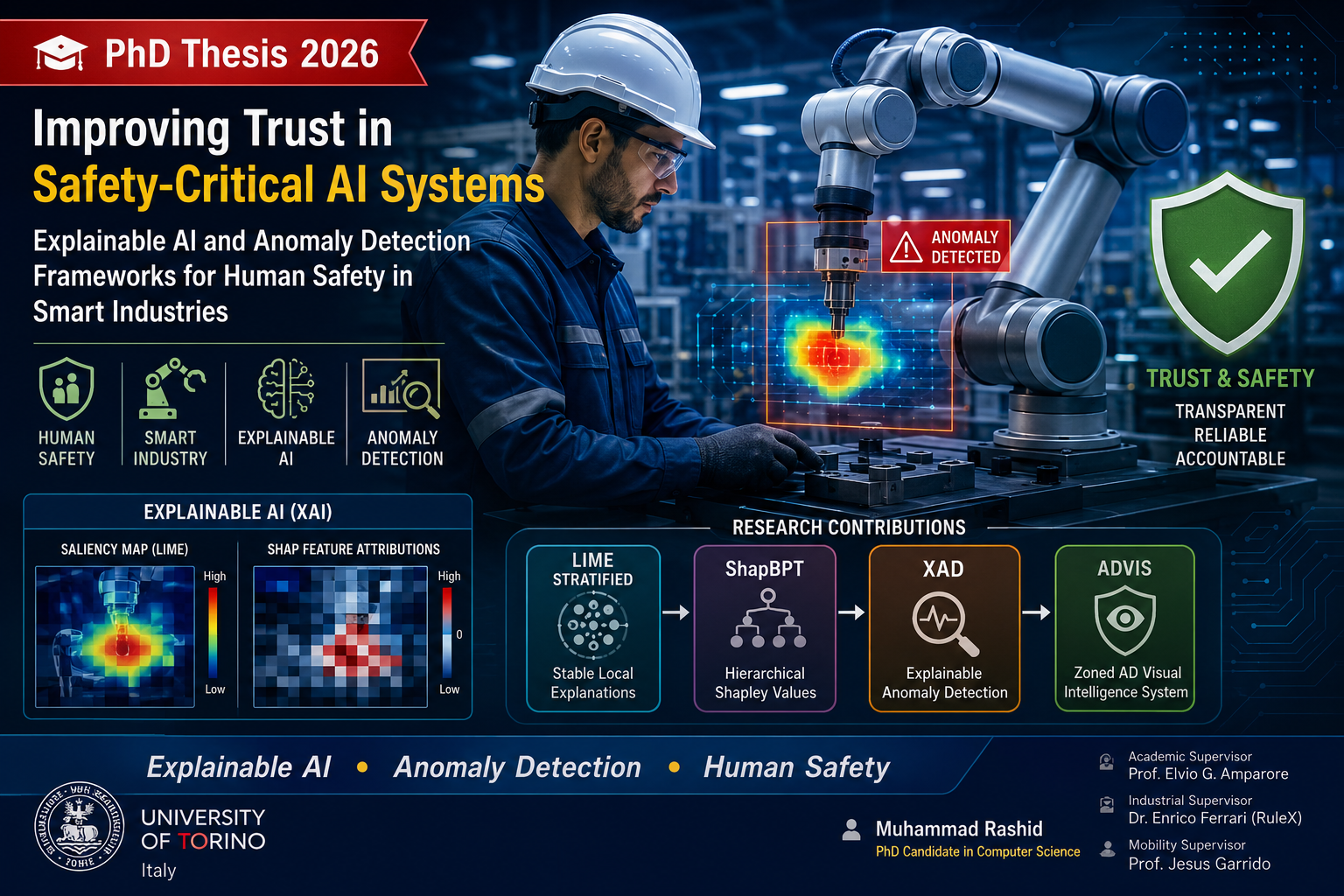
Published in University of Torino, 2026
PhD thesis on explainable AI, Shapley-based visual explanations, and anomaly detection frameworks for safety-critical industrial systems.
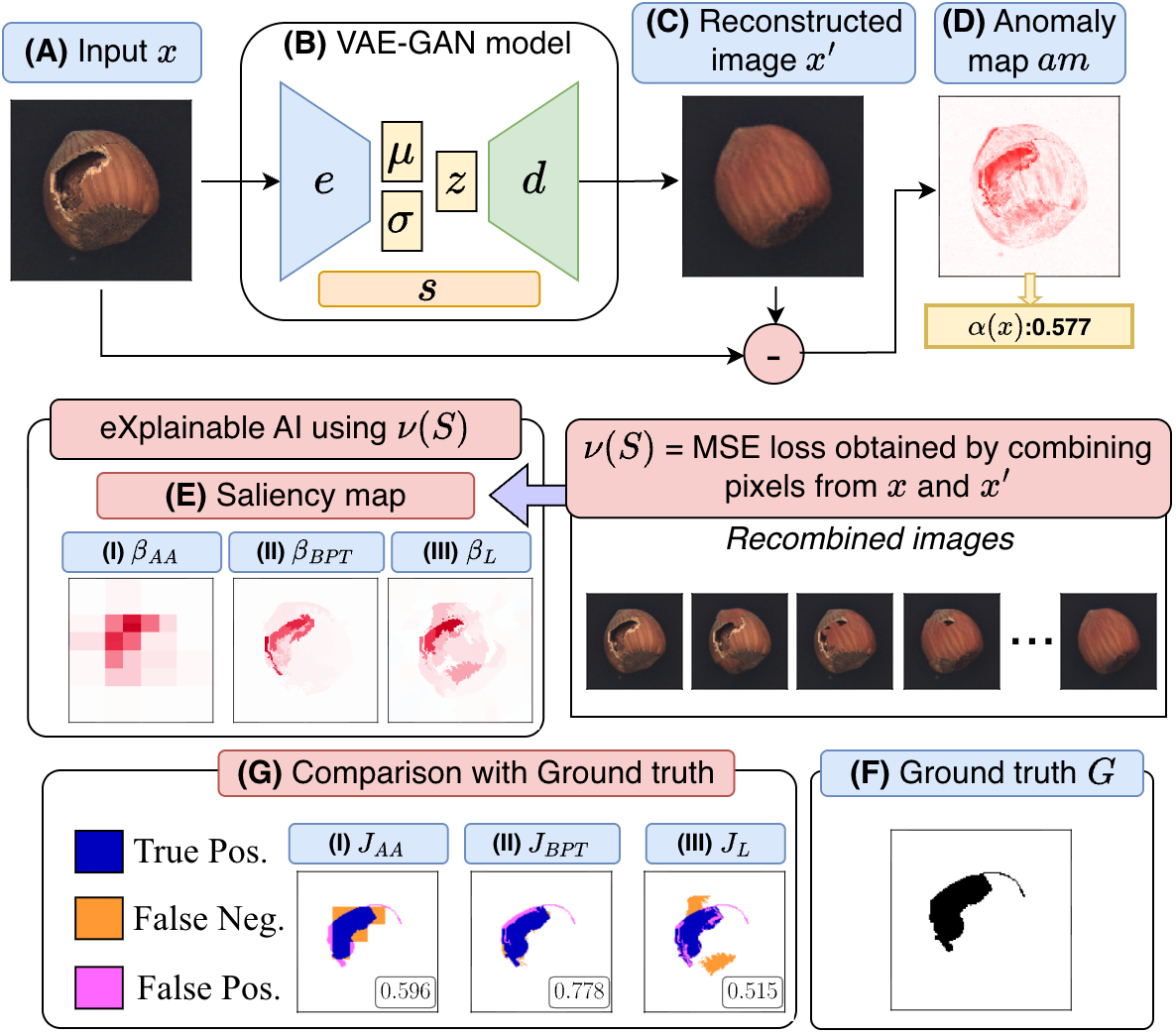
Published in QualITA Workshop | ICPE 2026 (ACM), 2026
A consolidated review of ShapBPT and its application to explainable anomaly detection.
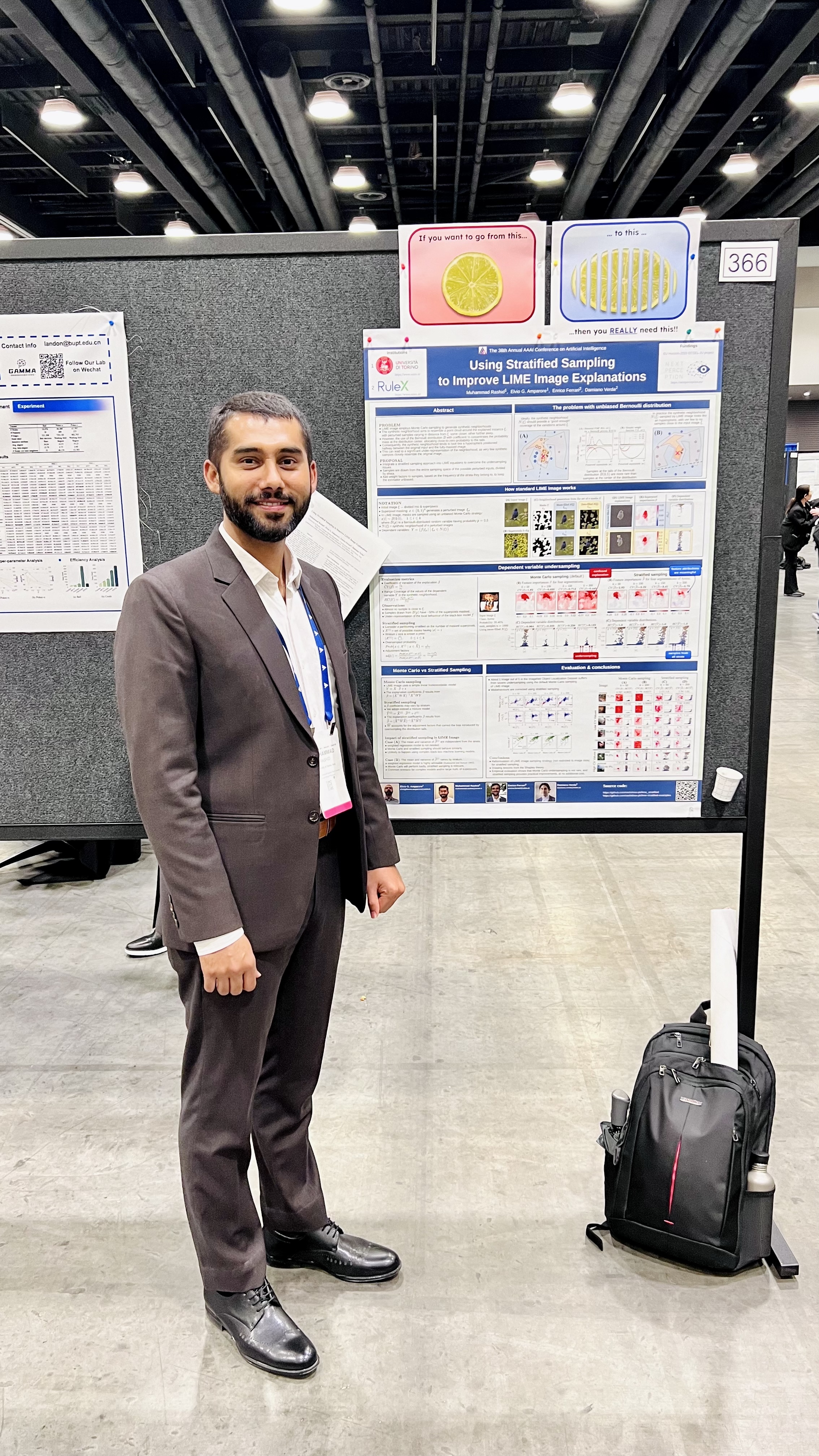
Poster Presentation at AAAI-24
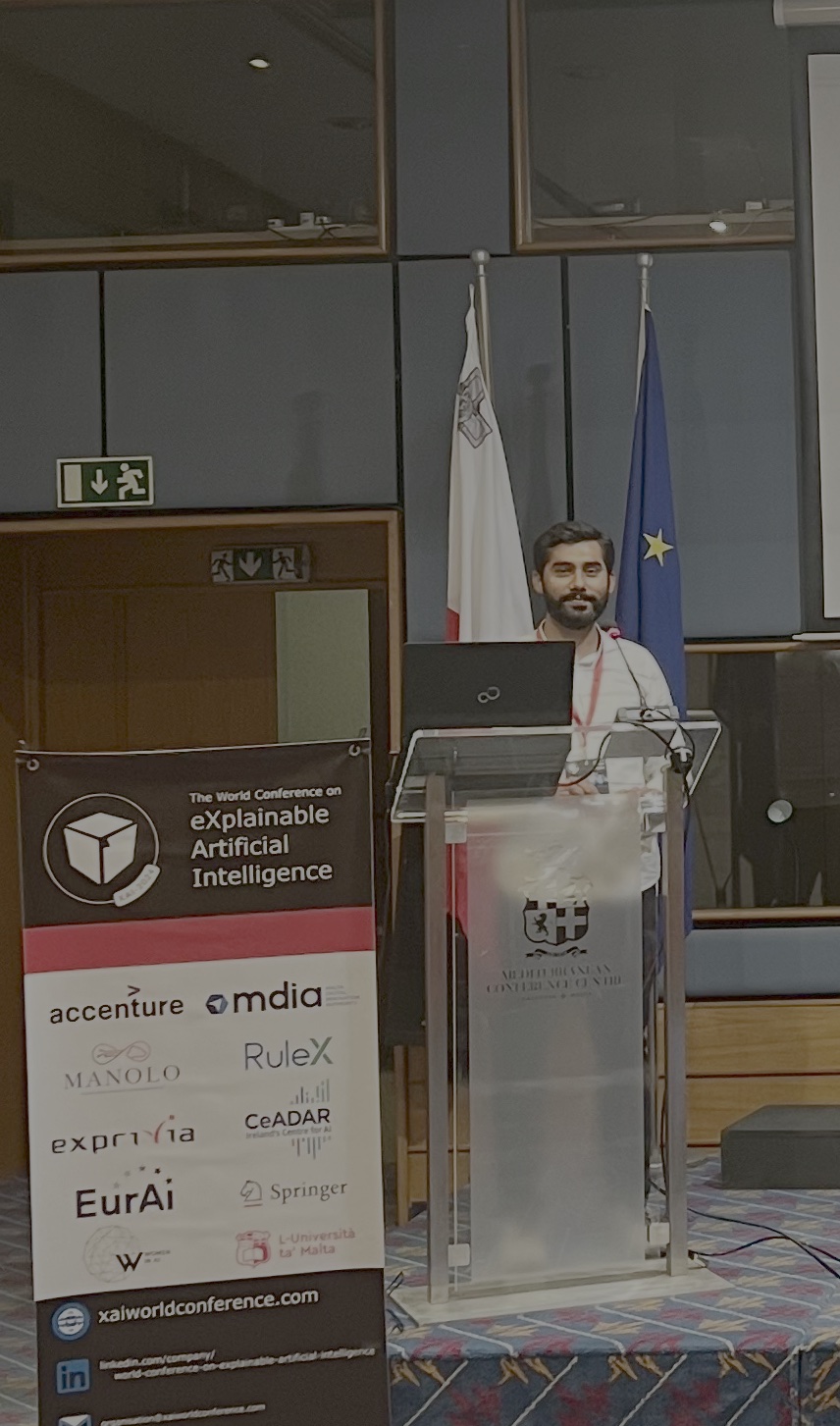
A case study on the trustworthiness of VAE-based anomaly detection systems using Explainable AI, highlighting how high anomaly scores can be driven by misleading visual features.
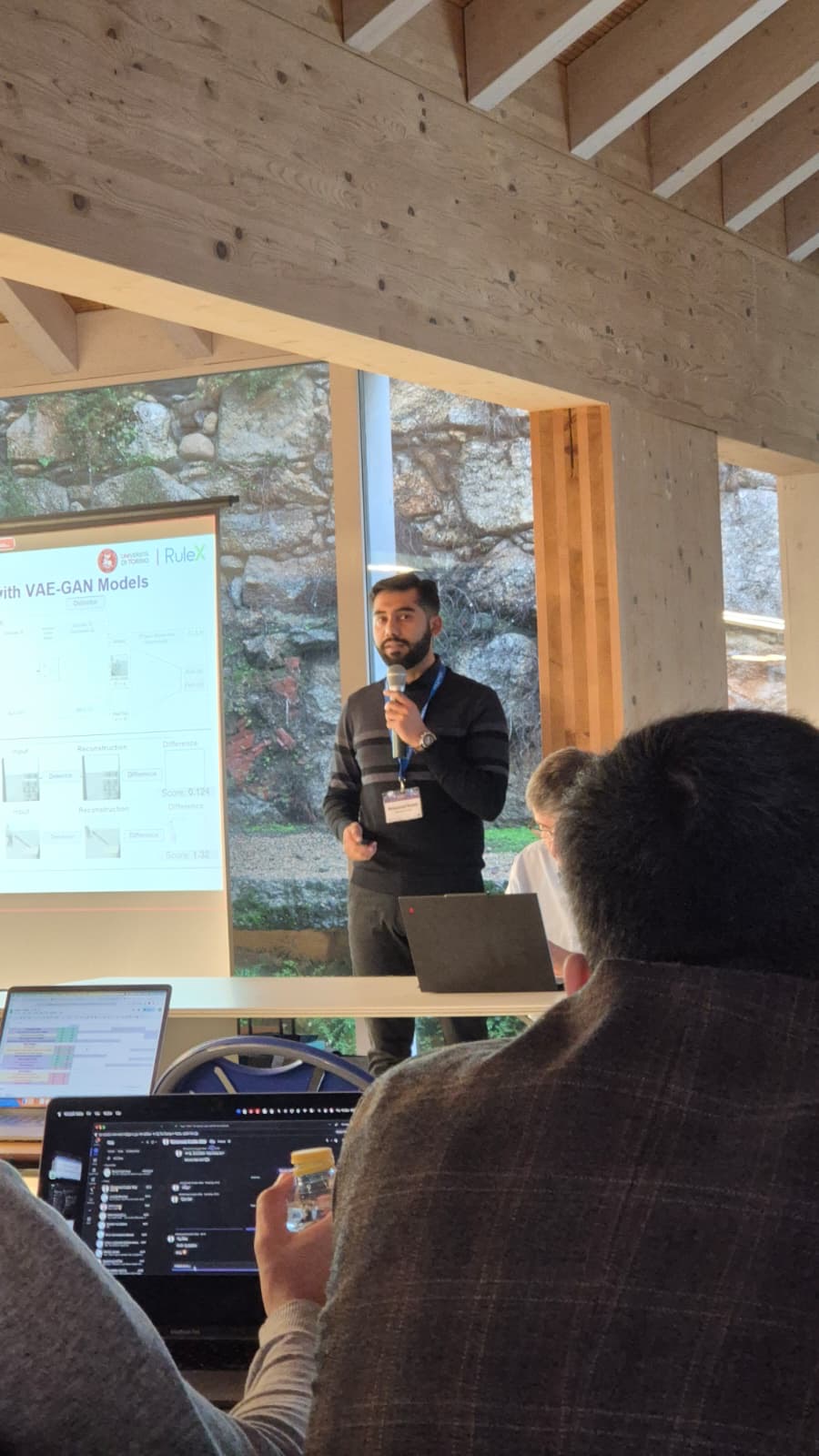
A consortium presentation on VAE-GAN based unexpected condition detection for industrial safety monitoring in robotic environments, developed within UC3 of the DistriMuSe EU project.
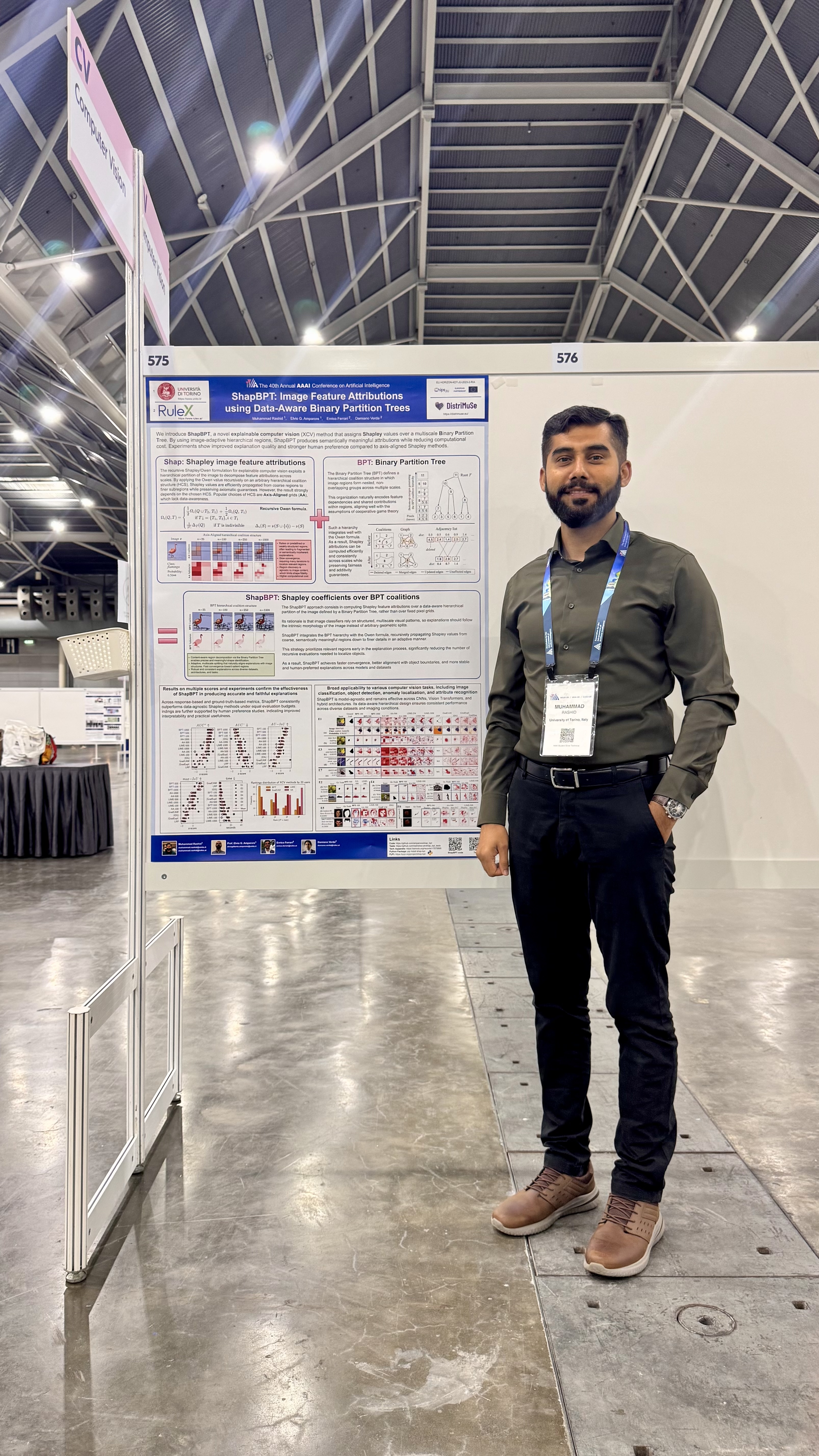
Introduces ShapBPT, a data-aware hierarchical Shapley-based method for image feature attribution that improves efficiency, structural alignment, and interpretability in computer vision models.
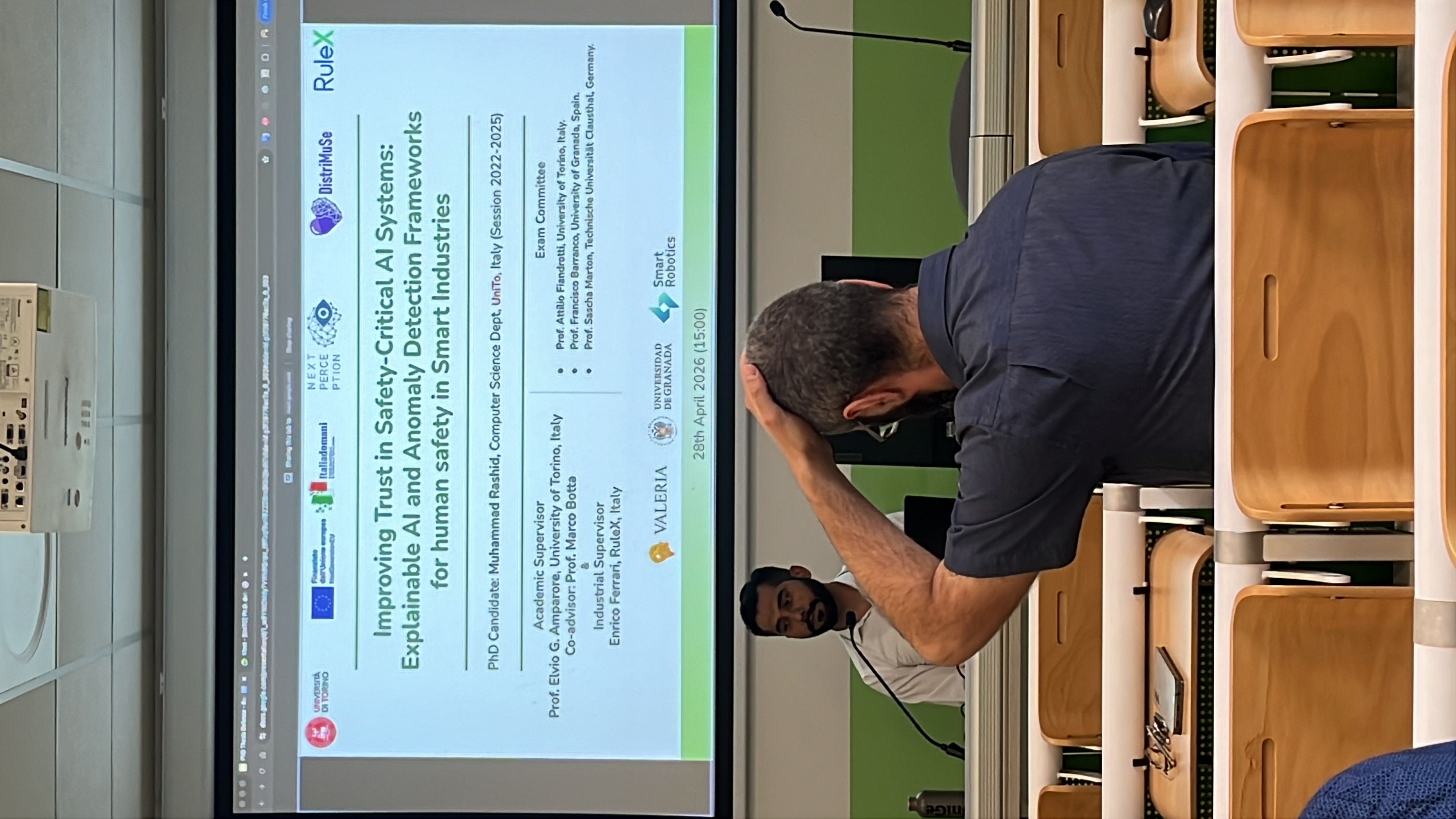
PhD thesis defense presenting explainable AI and anomaly detection frameworks for trustworthy human safety monitoring in industrial environments.
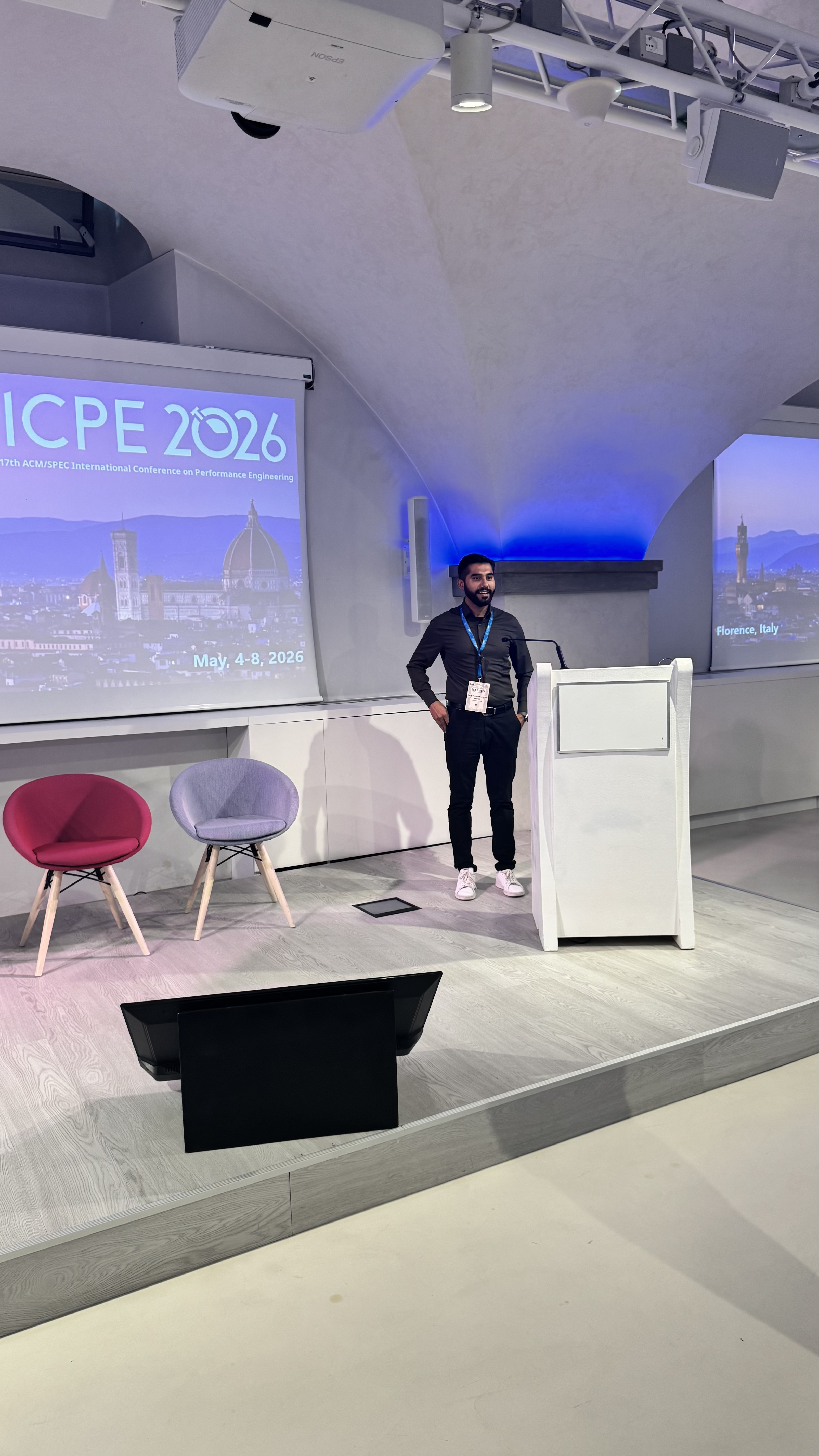
This talk presents ShapBPT in Perspective, a consolidated review and practical case study of ShapBPT for eXplainable Anomaly Detection (XAD).
This is a description of a teaching experience. You can use markdown like any other post.
This is a description of a teaching experience. You can use markdown like any other post.