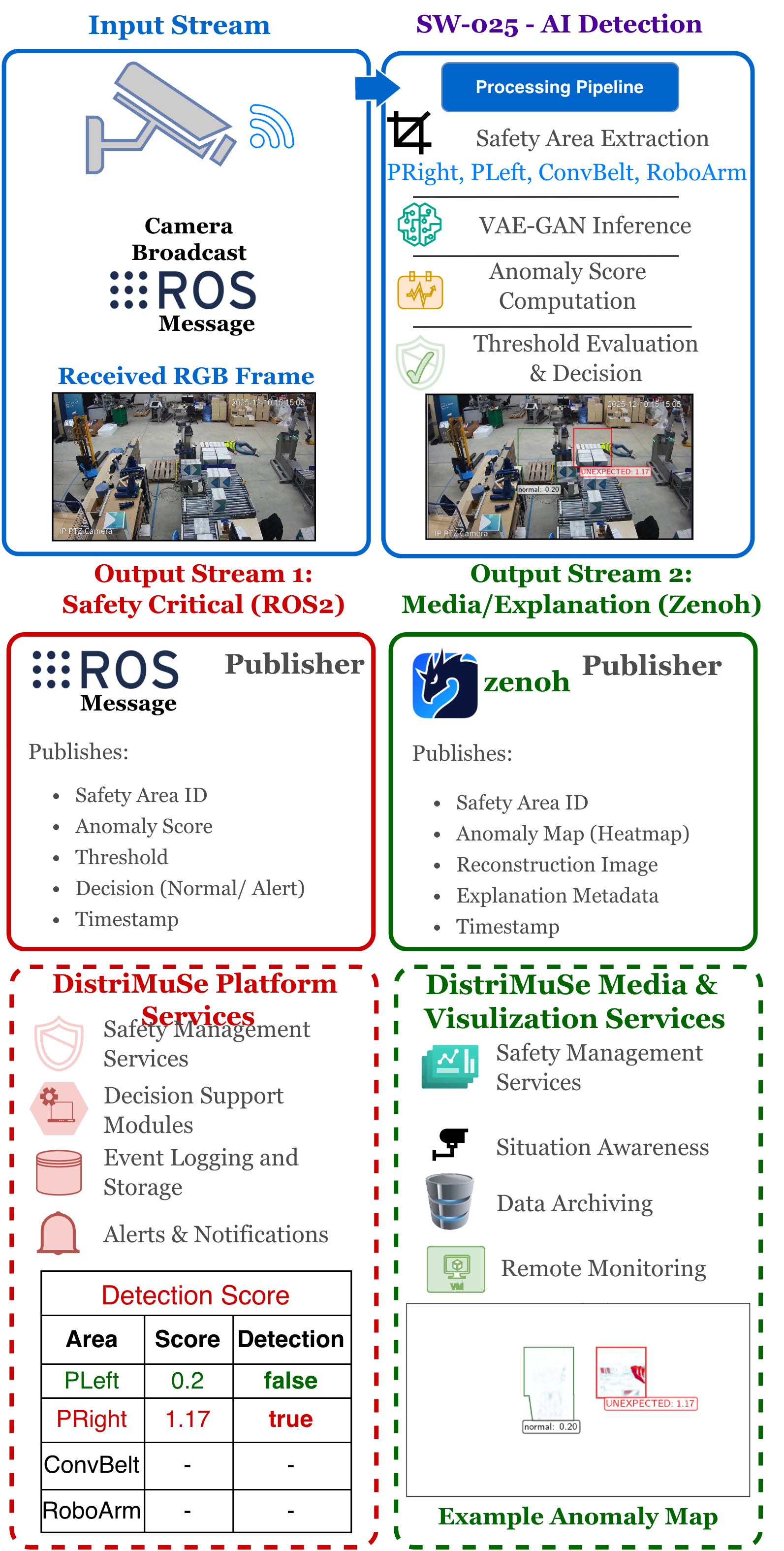
ADVIS-SR: Real-Time Anomaly Detection for Safe Human–Robot Interaction in real industrial scenario EU Project 🇪🇺
Industrial Safety Detector using deep Generative models based Anomaly Detection on real world

This page highlights selected research projects, industrial systems, ongoing collaborations, open-source contributions, and applied machine learning work spanning Explainable AI, Computer Vision, Anomaly Detection, Trustworthy Machine Learning, and Industrial AI .
Research and deployed systems developed around visual anomaly detection, human–robot collaboration, and safety monitoring for industrial environments.
Industrial Safety Detector using deep Generative models based Anomaly Detection on real world

RGB-based anomaly detection application for safety monitoring in collaborative robotics environments using synthetic industrial data.
Selected completed research projects, published methods, and open-source research contributions.
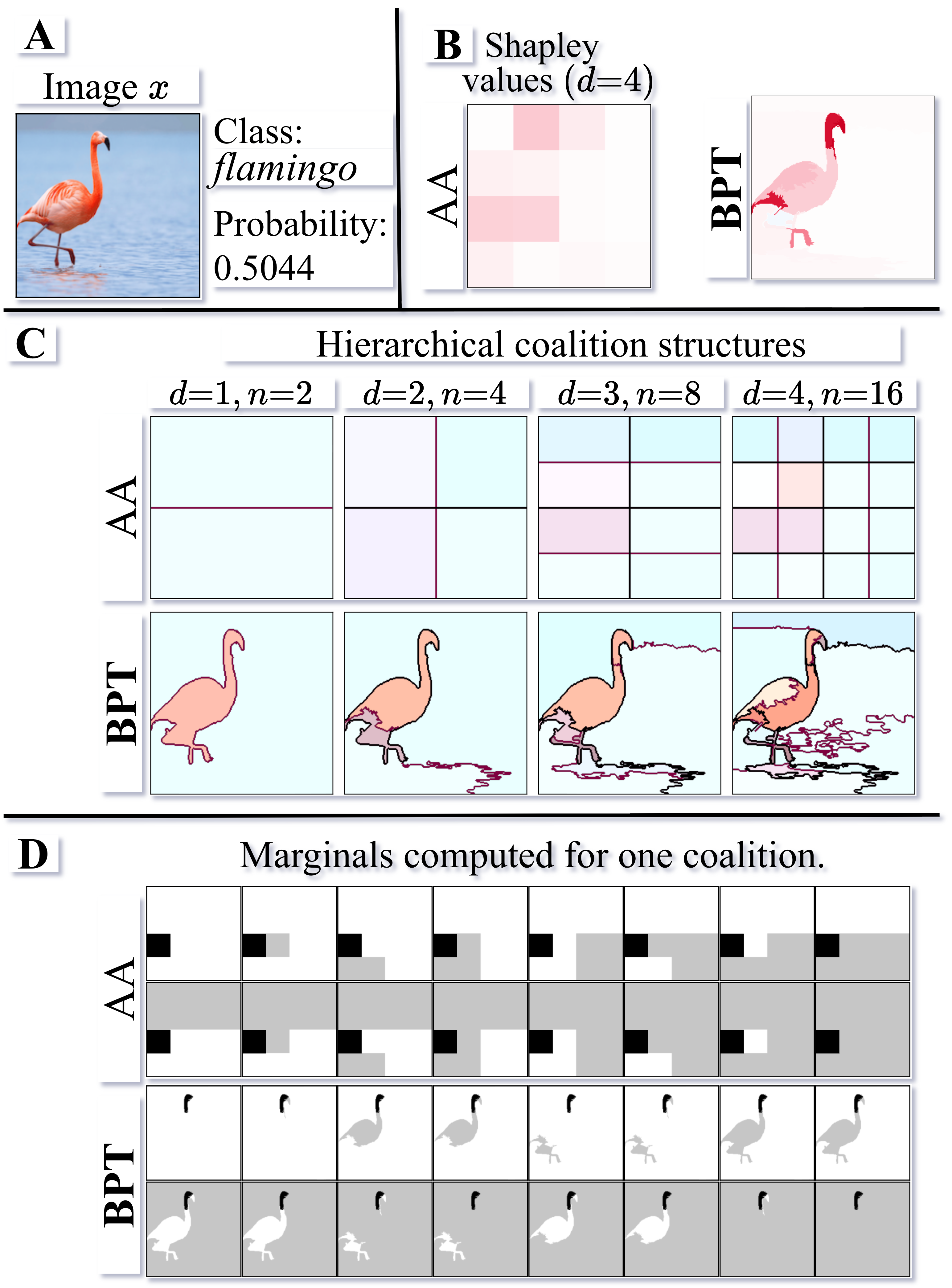
A data-aware XAI method for image feature attribution using Binary Partition Trees and hierarchical Shapley values.

Lightweight AI deployment on edge devices, including Raspberry Pi-based computer vision systems.
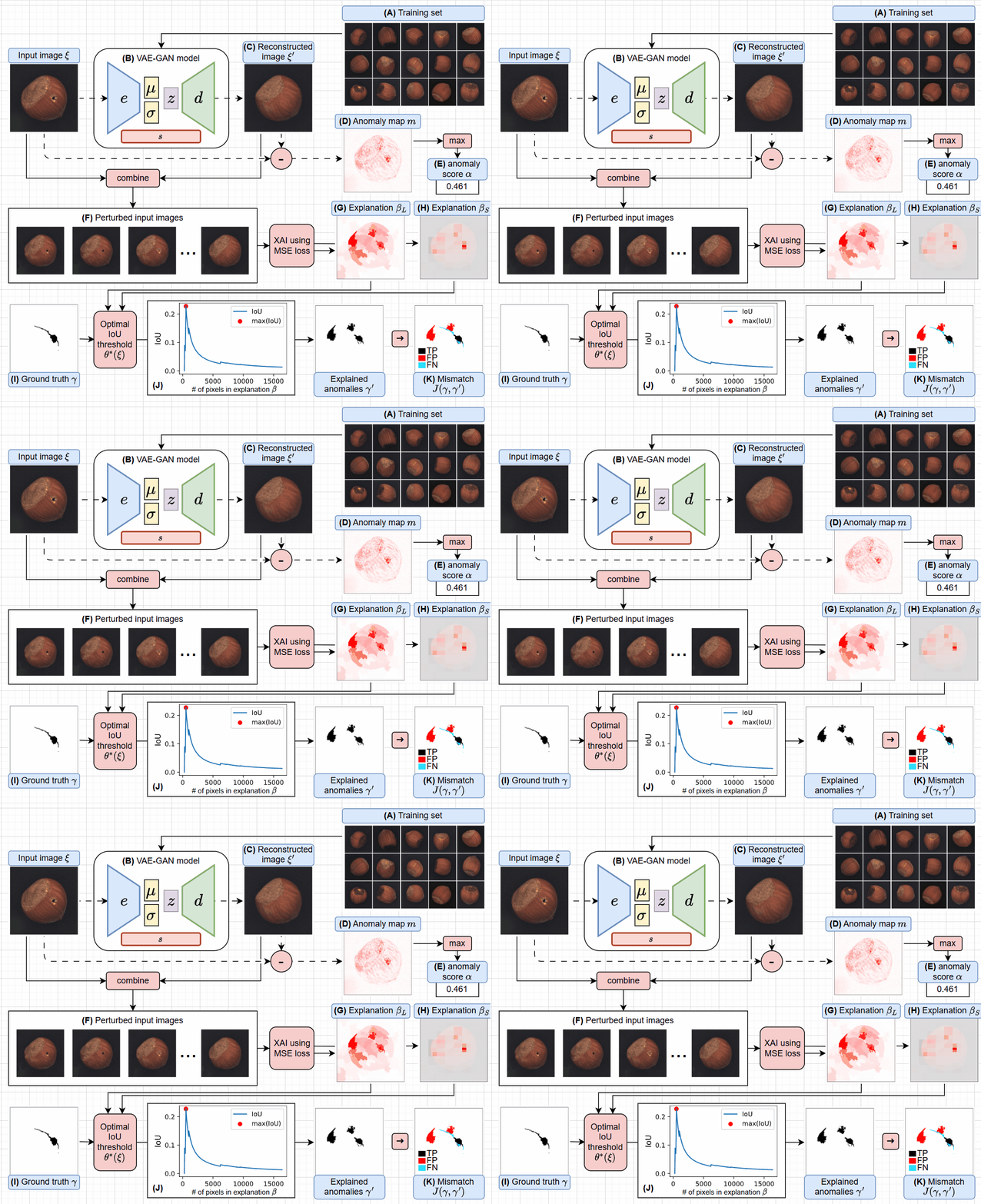
A case study on building trust in anomaly detection systems using VAE-GAN models and explainable AI.
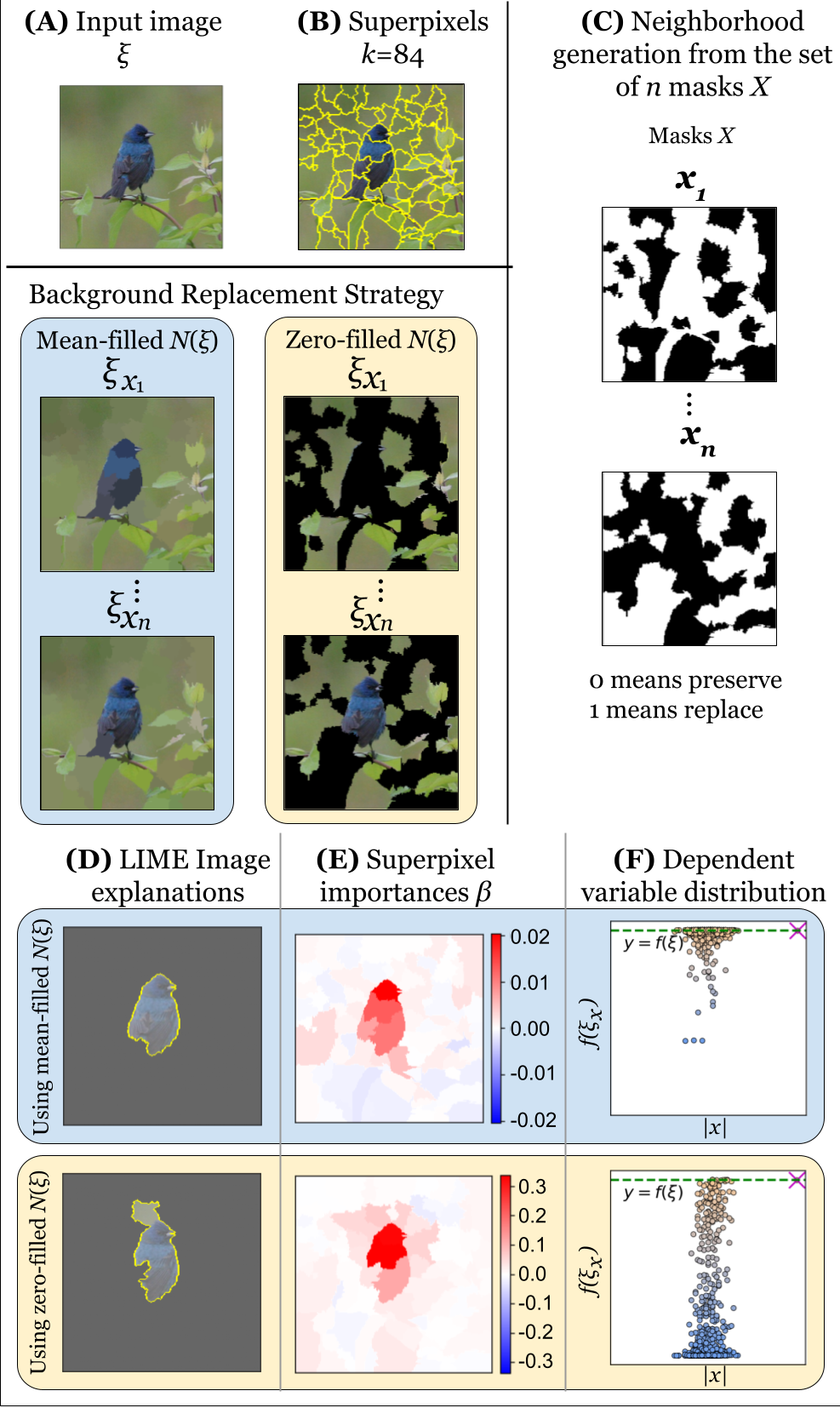
An improved LIME sampling strategy for generating more stable and reliable image explanations.
Selected client-oriented and independent projects applying machine learning, computer vision, image processing, and data analysis to practical problems across different application domains.

Applied research and freelance projects in medical imaging, computer vision, machine learning, and intelligent decision systems.
Active research directions, manuscripts in preparation, collaborative projects, datasets, and open-source research currently under development.
A comprehensive study of the evolution of video anomaly detection, from reconstruction and prediction methods to transformers, foundation models, and reasoning-oriented approaches.
Research on deep learning and one-class approaches for time-series anomaly detection, including robust training, threshold calibration, and evaluation on benchmark datasets.
Investigating SAM-based hierarchical image segmentation and Shapley attribution for spatially coherent and quantitatively evaluated computer vision explanations.
Exploratory research on variational quantum models and quantum-enhanced representations for anomaly detection.
Investigating explainability and faithfulness in multimodal visual question answering using vision-language models and gradient-based attribution methods.
Research on explainable deep learning for medical image classification and analysis, combining modern CNN architectures with interpretable prediction methods.
Interpretable hierarchical machine learning for small-sample prediction and analysis of surface and tribological responses in electrical discharge machining.
Developing efficient normal-only visual anomaly detection pipelines for deployment on resource-constrained edge devices and RGB camera systems.
A multi-view RGB dataset for unexpected-condition detection and human safety in industrial robotic palletizing workflows, including normal and anomalous operating scenarios.
An open-source research project investigating anomaly detection baselines, explainability methods, faithfulness metrics, reproducibility, and trustworthy model evaluation.
Lightweight CNN-based network intrusion detection using time-frequency representations and explainable AI.