
Muhammad Rashid
Research Fellow in Computer Science specializing in Explainable AI (XAI), Computer Vision, and Visual Anomaly Detection, with a focus on trustworthy and deployable AI for industrial and safety-critical systems. He holds a PhD (innovative Industrial needs based) in Artificial Intelligence from UniTo, Italy.
Research Focus
- Explainable AI for trustworthy decision-making
- Visual anomaly detection in industrial and robotic environments
- Pixel-level feature attribution using Shapley-based methods
- Robust and efficient explanation methods for computer vision
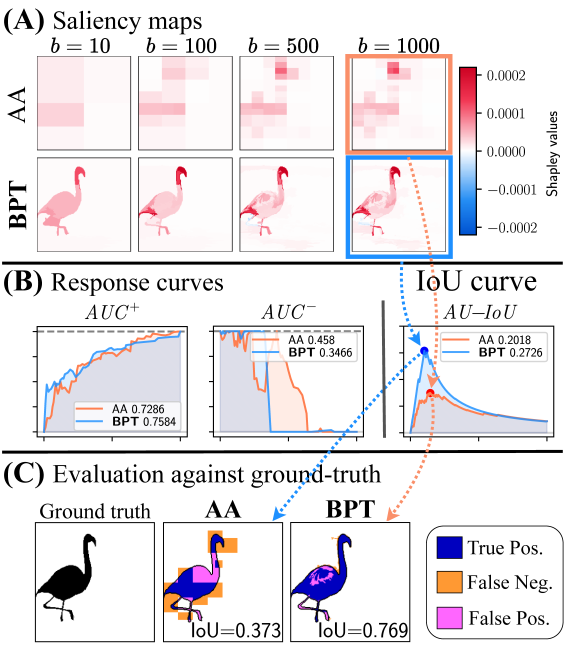
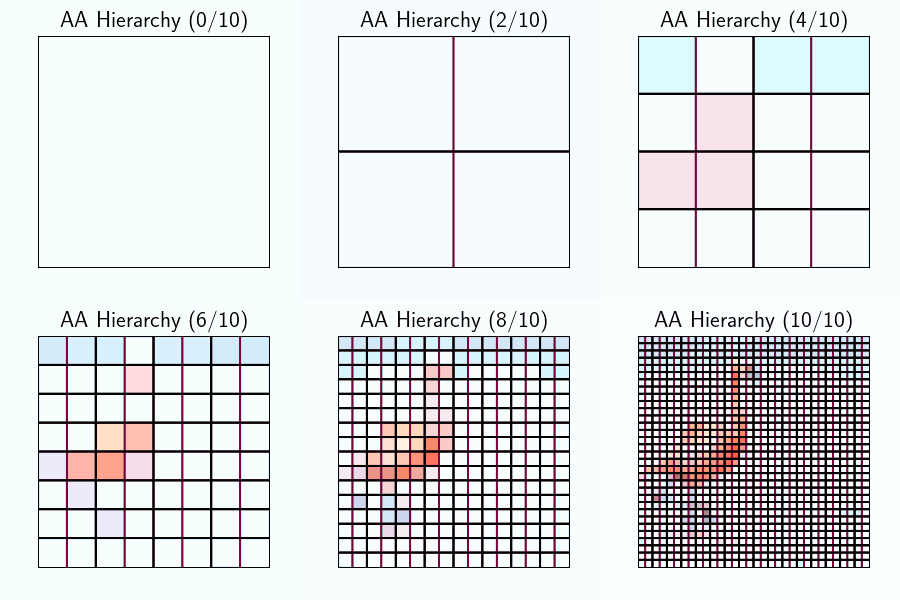
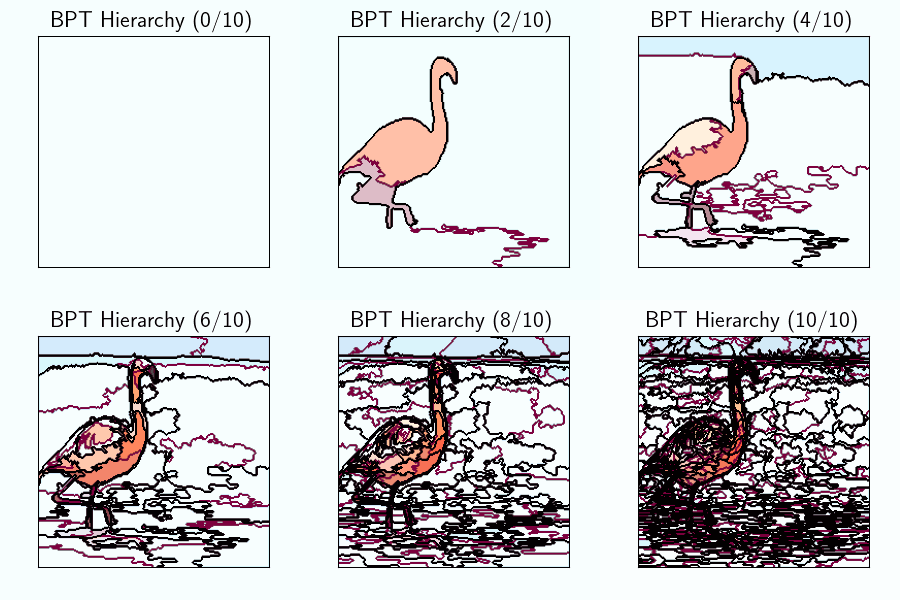
📌 AAAI 2026: ShapBPT — Image Feature Attribution using Data-Aware Binary Partition Trees
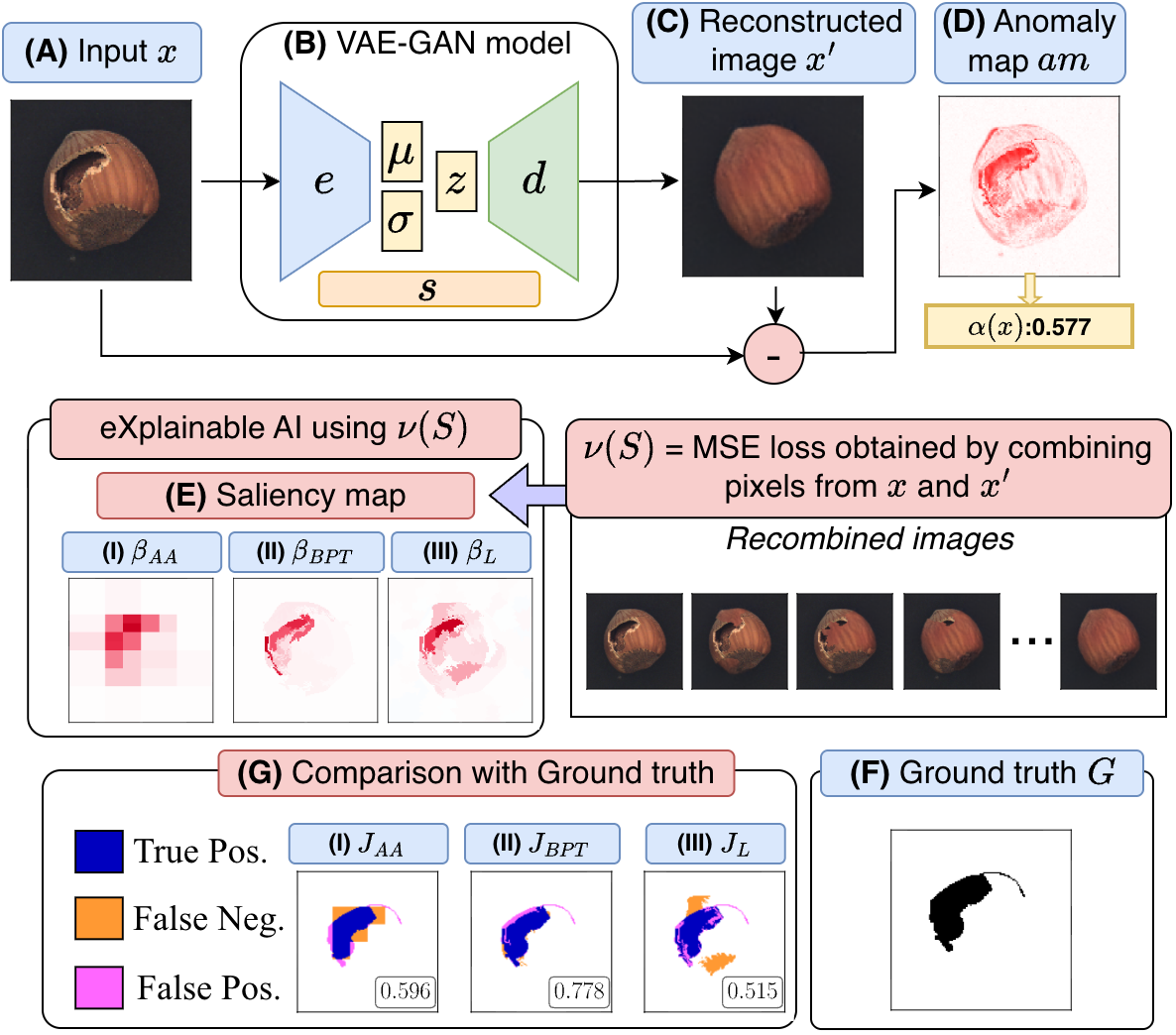
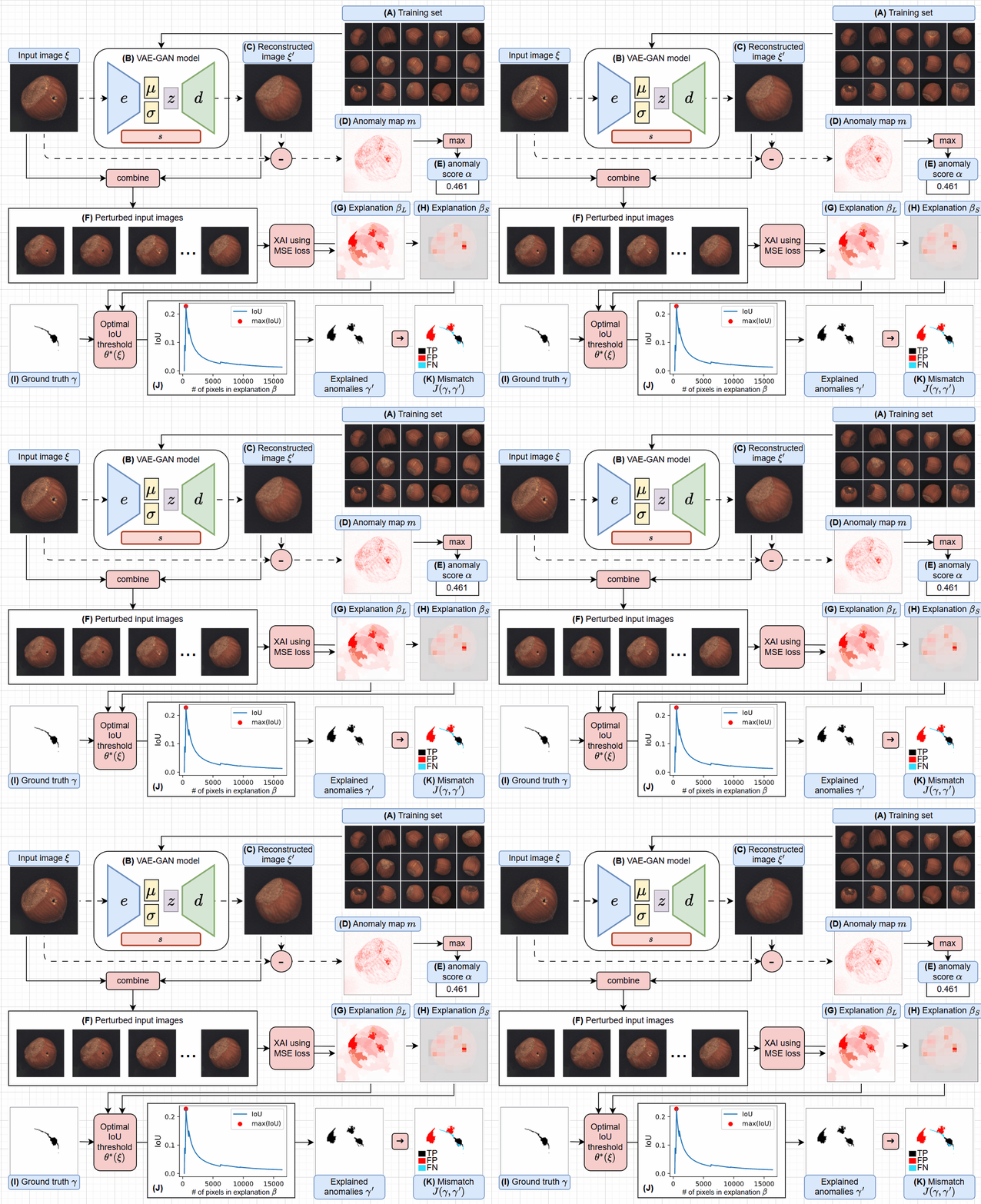
📌 ICPE 2026 / QualITA Workshop: ShapBPT in Perspective: A Consolidated Review and an eXplainable Anomaly Detection Case Study
Systems & Engineering
- Real-time computer vision and anomaly detection for robotics safety
- ROS2 and Zenoh-based distributed inference pipelines
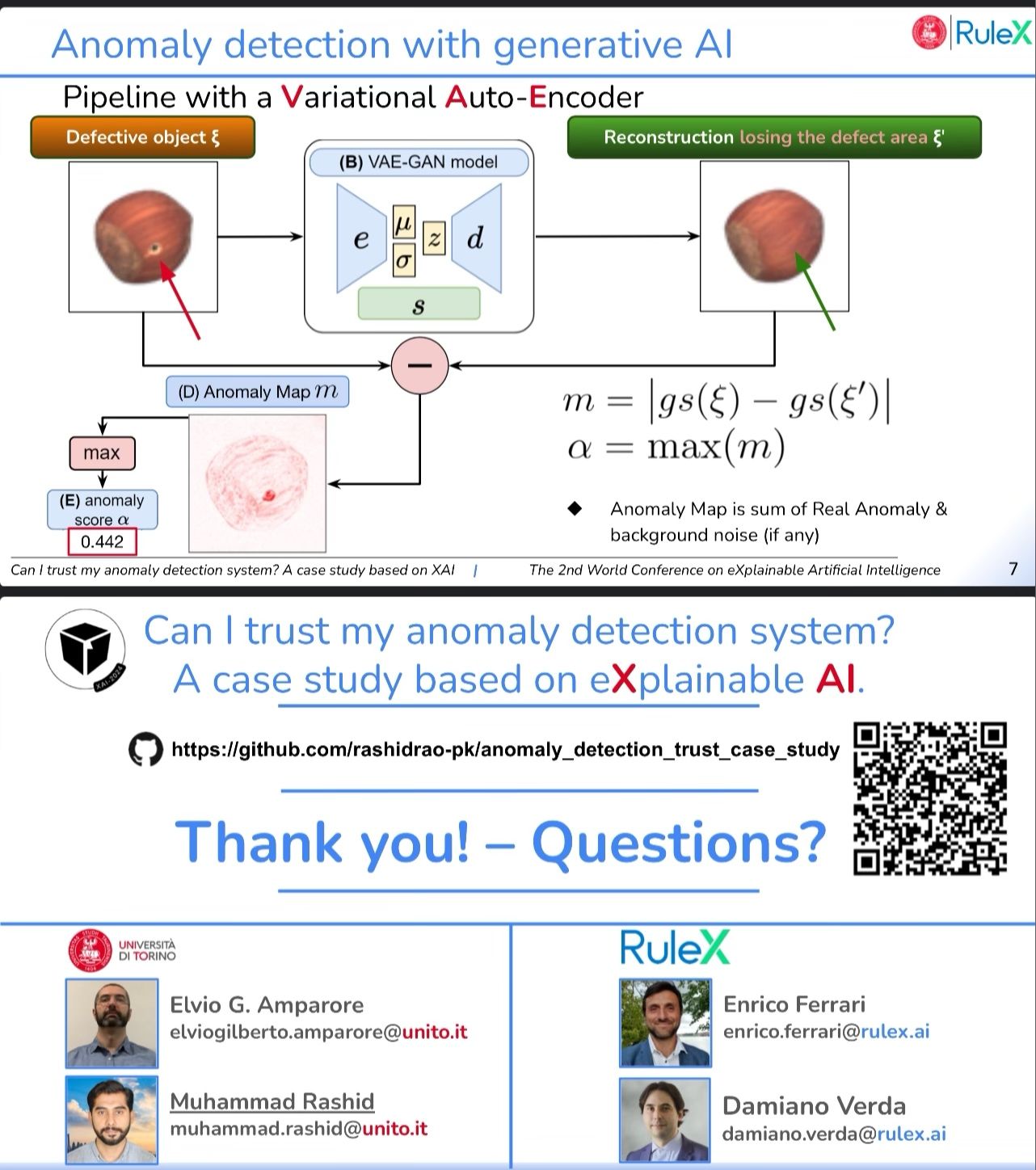
- VAE / VAE-GAN models for industrial anomaly detection
- Multi-camera monitoring and safety-area segmentation
- GPU/HPC experimentation and model evaluation
- End-to-end ML workflow: training → calibration → validation → deployment
Selected results:
- ~12.5 FPS real-time inference
- ~99.6% detection accuracy in evaluated industrial scenarios
- Explainable anomaly maps for safety-critical decision support
Research Software & Tools
- ShapBPT — Hierarchical Shapley-based image explanations
- LIME Stratified — More stable LIME image explanations
- XAD — Explainable visual anomaly detection
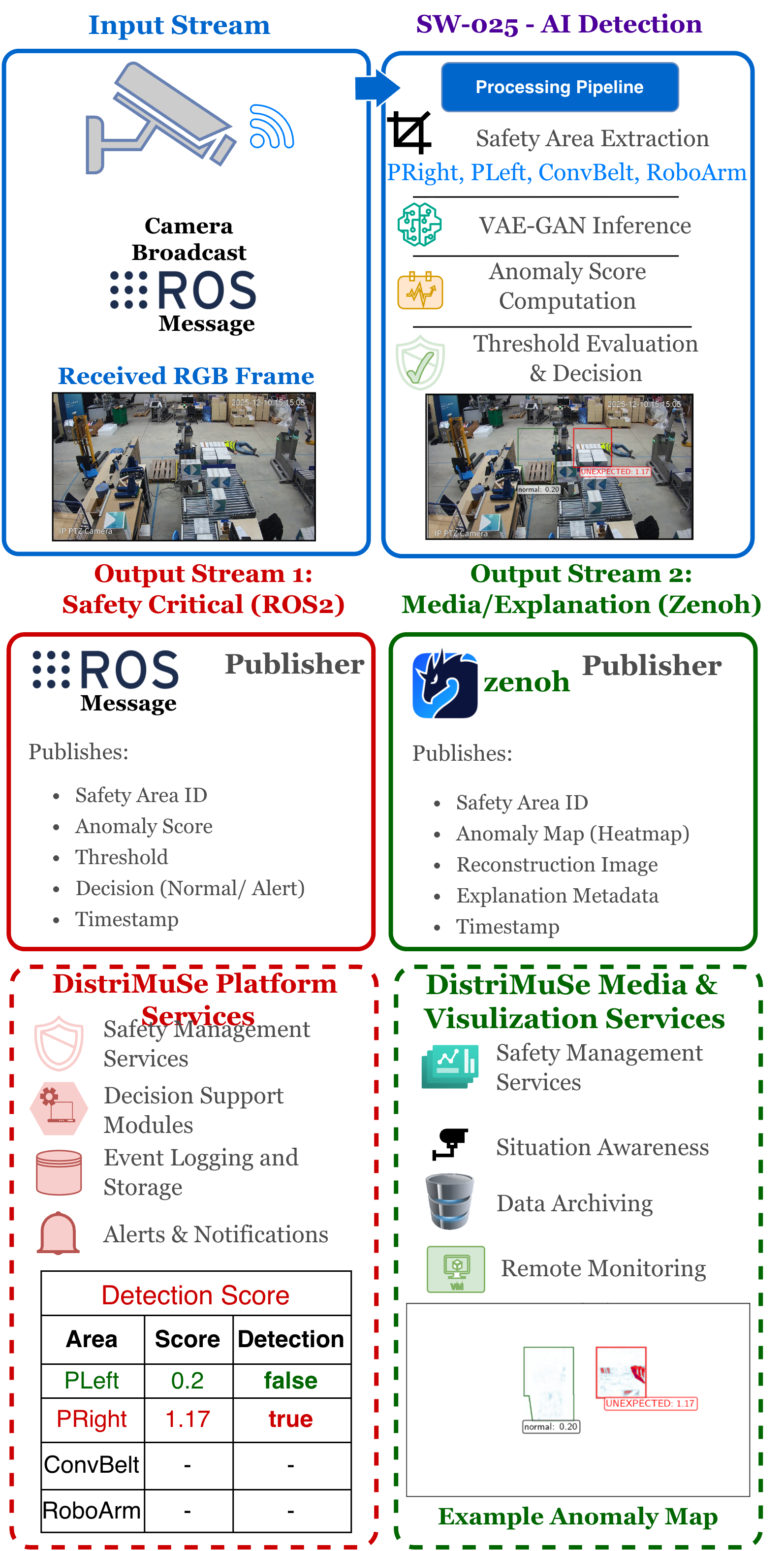
- ADVIS — Real-time anomaly detection for robotics safety
- AI on Edge Devices — Lightweight AI deployment experiments
Selected Publications
Featured Projects
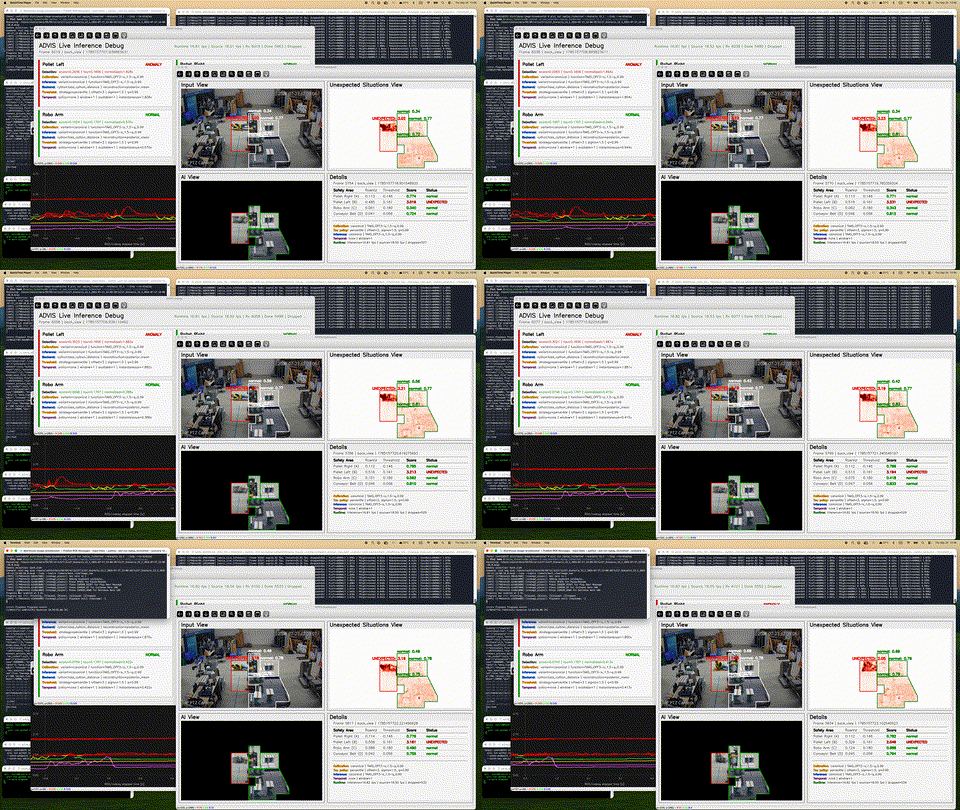
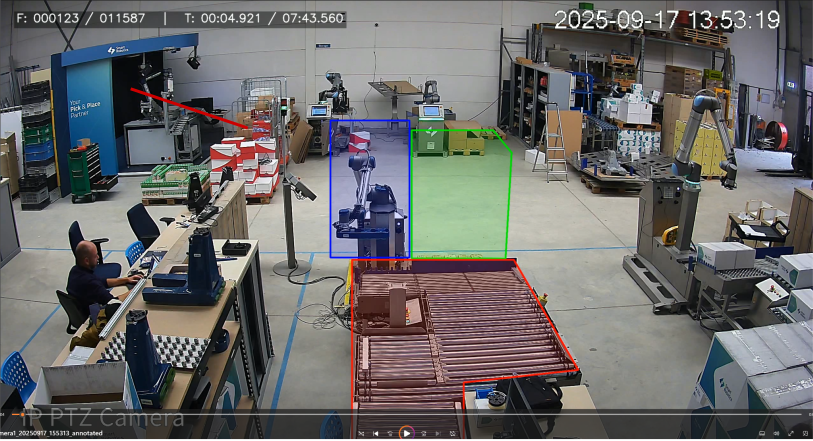
ADVIS · Real Industrial Safety · EU Project · HORIZON HEU · KDT
Real-Time Anomaly Detection for Robotics
Industrial safety monitoring system with multi-area anomaly detection, ROS2-based live inference, and visual anomaly maps for decision interpretation.

ADVIS · Synthetic Environment · EU Project · HORIZON HEU · KDT
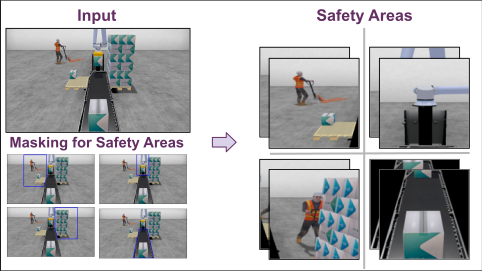
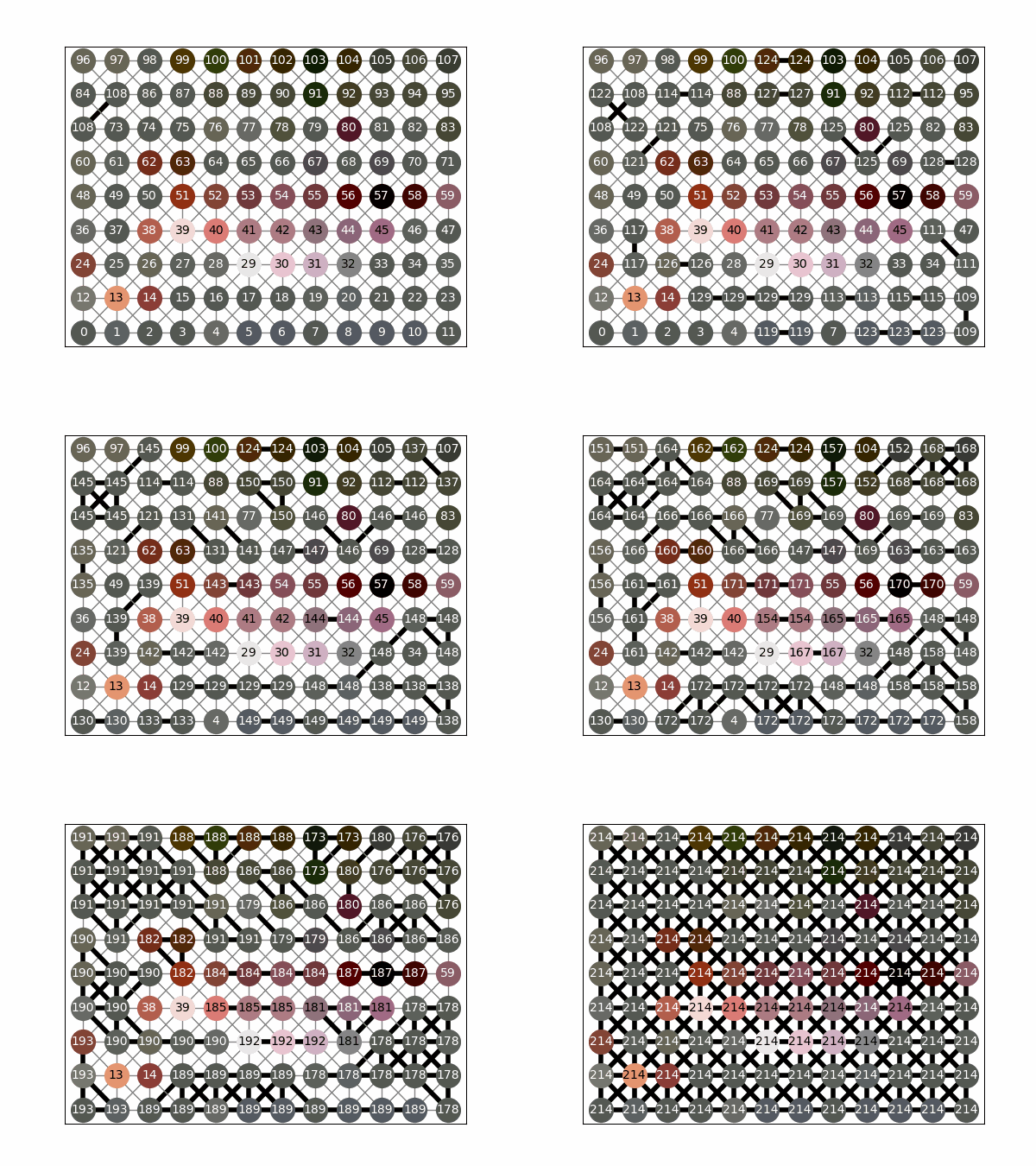
ADVIS-UniGra: RGB Anomaly Detection for Safe Human–Robot Collaboration
RGB-based anomaly detection for collaborative robotics using safety-area monitoring, area-specific VAE-GAN models, threshold calibration, and explainable anomaly maps.


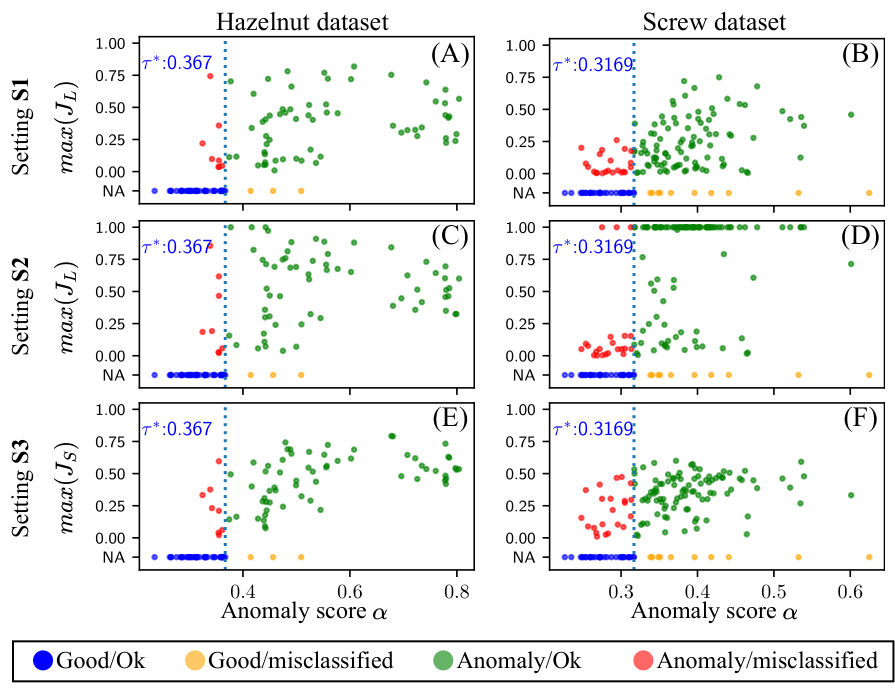
Explainable Anomaly Detection
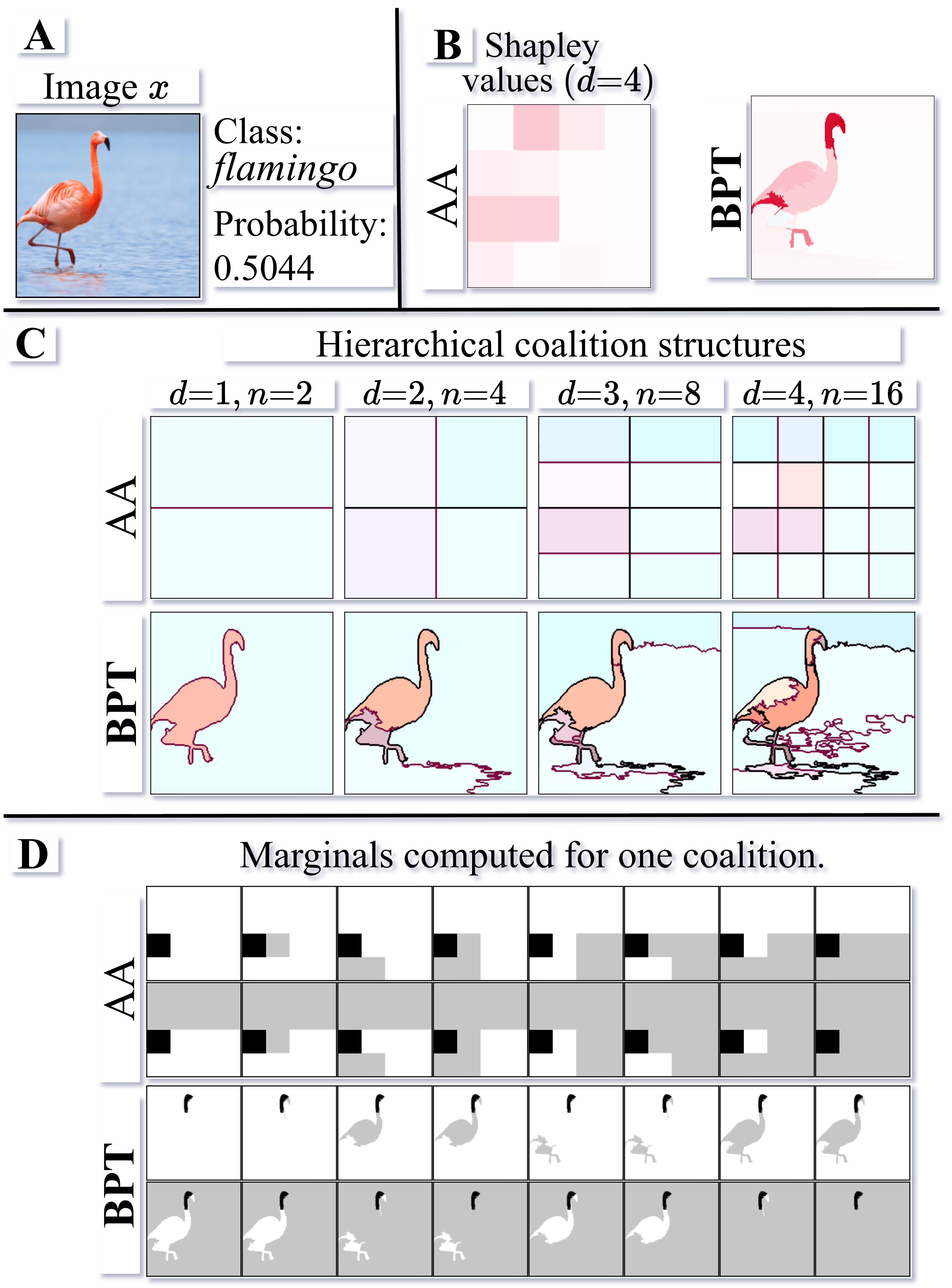
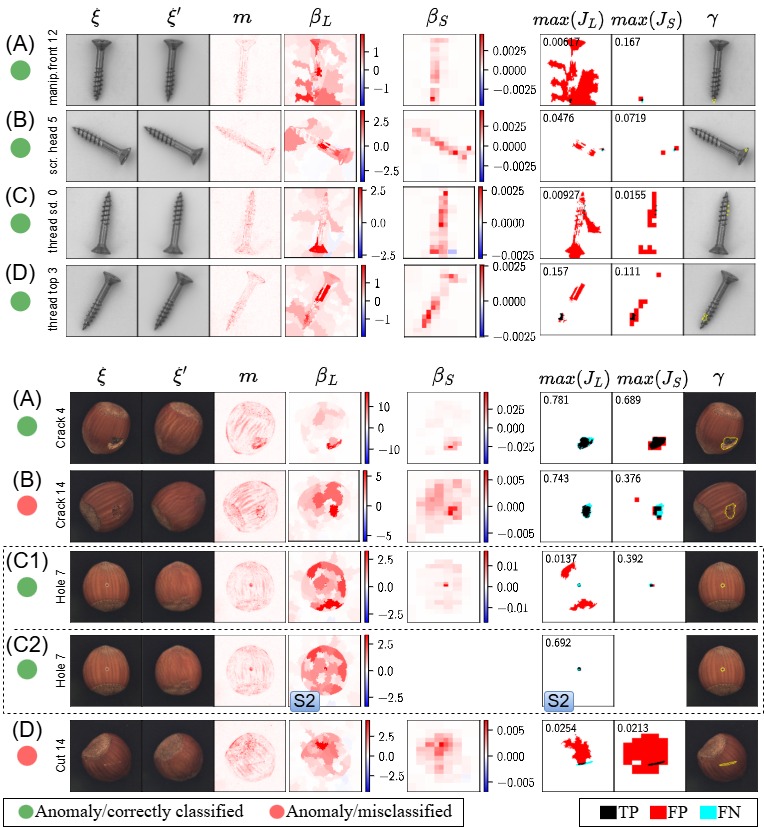
XAD: Explainable Anomaly Detection
Explainable anomaly detection framework that applies ShapBPT to help identify why an image or image region is considered anomalous.
Explainable AI · LIME
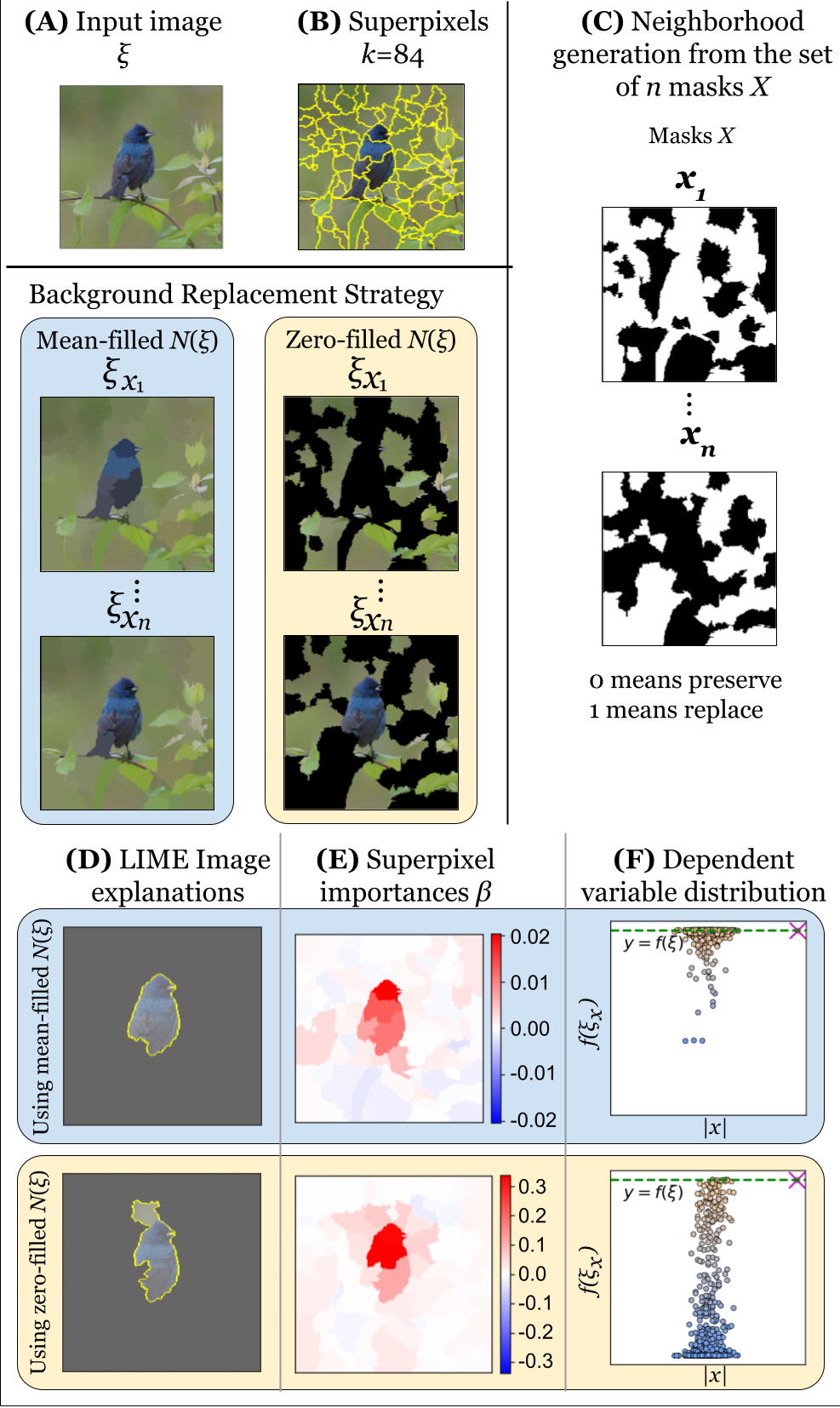
LIME Stratified Sampling
Improves the stability of LIME image explanations through stratified perturbation sampling, reducing variance and improving explanation reliability.
Experience
- 🔬 Research Fellow — University of Turin, Italy (details)
- 🇪🇺 DistriMuSe EU Project — Visual Anomaly Detection & Robotics Safety
- 🎓 Industrial PhD in Computer Science — University of Turin, Italy
- 🏭 Industrial Research — RuleX Innovation Labs, Italy
- 🌐 Visiting Researcher — Valeria LAB, University of Granada, Spain
Published Python Packages
Python packages released for explainable AI and reproducible research.
| Package | Focus | Registry | Version | Links |
|---|---|---|---|---|
| lime-stratified | Stable LIME image explanations | PyPI | … | PyPI · Code |
| shap-bpt | Hierarchical Shapley image attribution | PyPI | … | PyPI · Docs |
Open Source Contributions
Selected contributions to open-source machine learning, anomaly detection, and data science software.
| Library | Organization | Focus | Stars | Contribution |
|---|---|---|---|---|
| Xplique | DEEL | Explainable AI | Loading... | Tabular plot colorbar fix |
| Anomalib | Intel/Open Edge Platform | Visual Anomaly Detection | Loading... | PatchCore docs |
| FLAML | Microsoft | AutoML / ML Systems | Loading... | Anomaly detection support |
| Awesome Python for Data Science | Data-Centric AI Community | Data Science Education | Loading... | Anomaly detection tutorial |
Ongoing Research
Current research includes video anomaly detection, time-series anomaly detection, interpretable machine learning, and explainable network intrusion detection.
Collaboration
I’m interested in collaborations on:
- Explainable AI and trustworthy machine learning
- Visual anomaly detection
- Industrial AI and robotics safety
- Computer vision for real-world systems
- Vision-language models and explainability
Contact
- 📧 Email:
{FIRSTNAME}.{LASTNAME}@unito.it - 🔗 GitHub: github.com/rashidrao-pk
- 📚 Google Scholar: Muhammad Rashid